
EV Cars: Battery Life, Maintenance, And Longevity Insights

Maintenance Considerations for EV Cars: Battery Life, Maintenance, and Longevity Insights
Maintenance requirements for EV cars typically differ from gasoline-powered vehicles, as EVs have fewer moving mechanical parts and do not require oil changes or engine-related servicing. Instead, routine service focuses on chassis components, brakes, tires, and the battery system itself. Brake pads may last longer because regenerative braking technology reduces traditional wear rates, although conditions such as driving style and environment still influence component service intervals.
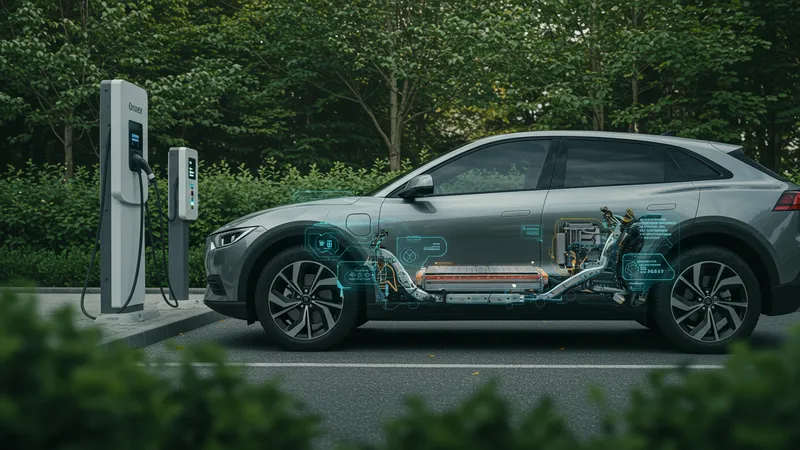
Battery systems in EVs require consistent software updates, which are frequently administered remotely. These updates can recalibrate performance settings, improve charging efficiency, and optimize thermal regulation. Some manufacturers provide periodic hardware inspections to monitor battery connectors, coolant levels, and overall pack integrity.
Tire maintenance remains an essential consideration, especially as EVs are typically heavier than their combustion-engine counterparts. Extra weight may place additional demands on tires, making regular rotations and pressure checks important for vehicle efficiency and safety. Additionally, cabin air filter changes and brake fluid checks remain part of standard service recommendations.
While EVs reduce or eliminate many engine-related upkeep tasks, certain components such as high-voltage cabling and charging equipment may require specialist attention during the lifetime of the vehicle. Battery warranty conditions frequently outline the recommended servicing intervals and specific actions considered necessary to maintain warranty coverage, reflecting cautious industry practices and neutral manufacturer support guidelines.