
EV Cars: Battery Life, Maintenance, And Longevity Insights

Battery Longevity Factors in EV Cars: Battery Life, Maintenance, and Longevity Insights
The service life of an EV battery typically depends on several core factors including usage patterns, operating temperatures, and charging practices. High ambient temperatures may accelerate chemical reactions within the battery, contributing to gradual capacity degradation. Conversely, extremely cold climates may temporarily reduce available battery power and increase charging times, though most modern battery packs incorporate temperature regulation systems to balance these effects.
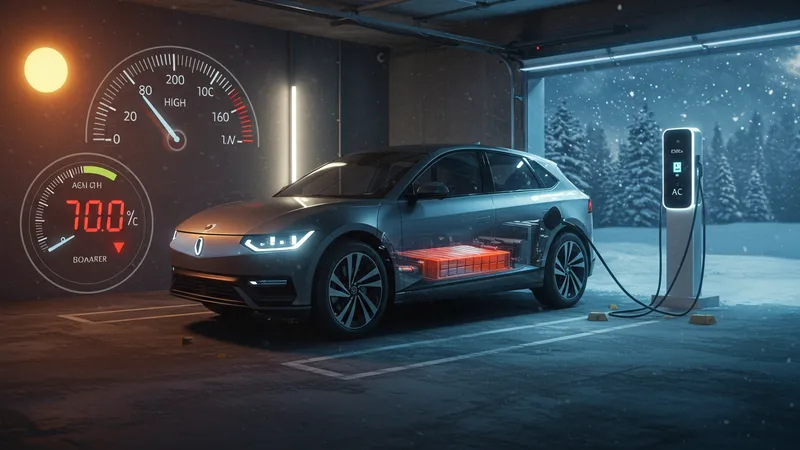
Charging habits can also influence battery longevity. Consistently charging to full capacity or discharging to near depletion may increase wear, while maintaining a moderate state of charge can mitigate some of these impacts. Routine use of high-power DC fast chargers, though convenient, can cause additional thermal stress compared to slower AC charging methods, according to commonly referenced manufacturer guidance.
Driving behaviors such as aggressive acceleration, hauling heavy loads, or sustained high-speed travel may increase mechanical and thermal loads on the battery, potentially reducing lifespan over time. Manufacturers recommend a balanced driving approach, although published data illustrates that real-world usage trends often reflect a diversity of driving profiles that affect longevity outcomes in measurable but non-uniform ways.
Industry standards for battery warranties typically set thresholds for acceptable capacity loss rather than guarantee absolute performance. Market data suggest that many EV owners experience capacity retention above 70–80% over the warranty period, though variations are reported based on brand, model, geographical location, and owner habits. Transparent manufacturer documentation provides benchmarks to guide user expectations and inform ongoing research in battery durability.