
EV Cars: Battery Life, Maintenance, And Longevity Insights

Battery Types and Technologies in EV Cars: Battery Life, Maintenance, and Longevity Insights
The majority of electric vehicles employ lithium-ion rechargeable batteries, which are valued for their energy density and relatively stable performance over time. Other less common battery types include nickel-metal hydride and solid-state batteries, though these are less widely used in commercially available EVs as of 2024. Technical specifications such as capacity (measured in kWh), cycle life, and internal thermal management can influence the overall reliability of each battery category.
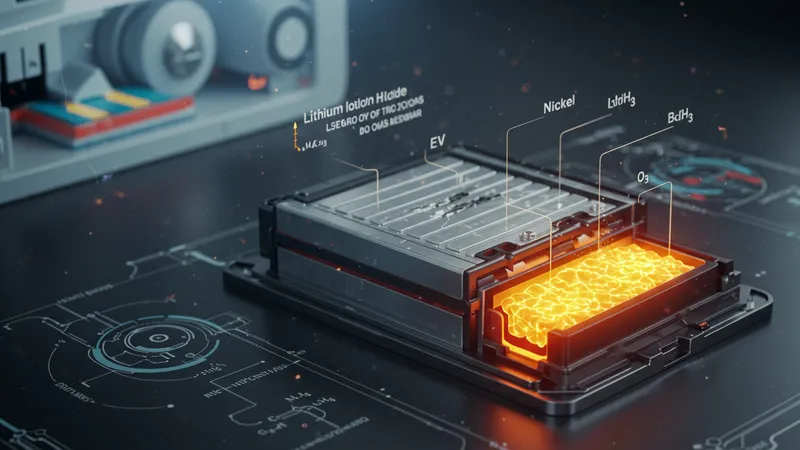
Manufacturers may choose different battery chemistries and designs to balance range, energy density, safety, and cost. For example, Tesla uses a blend of nickel, cobalt, and aluminum oxide, while other brands like Nissan may utilize lithium manganese oxide. These chemical compositions influence battery longevity and are continually adjusted based on performance data and research findings in the field of materials science.
Battery management systems (BMS) play a vital role in maximizing lifespan by protecting cells from overcharging or deep discharging. BMS algorithms monitor temperature, voltage, and charging currents, automatically adjusting parameters to mitigate degradation. Ongoing software improvements may continue to advance the efficiency of these systems, aiding in long-term reliability.
Solid-state batteries, still in their demonstration phase, are being researched for potential use in EVs. These batteries could improve cycle life and charge times, but commercial viability and lifecycle data remain under evaluation. Current market offerings primarily focus on lithium-ion variants, which remain the industry standard for EV car battery life and maintenance expectations.