
E-commerce Evolution: Key Trends Shaping Online Retail

Logistics, fulfilment, and returns in E-commerce Evolution: Key Trends Shaping Online Retail
Last-mile delivery in the Netherlands commonly uses providers such as PostNL and other local carriers that offer parcel lockers and scheduled delivery slots. Dutch geography and urban density may enable same-day or next-day delivery options in certain regions, which can influence consumer expectations and merchant fulfilment choices. Retailers may decide between centralised warehouses near major ports or distributed fulfilment centers that reduce transit times within the country. Each approach typically involves trade-offs among inventory carrying cost, shipping time, and return handling complexity.
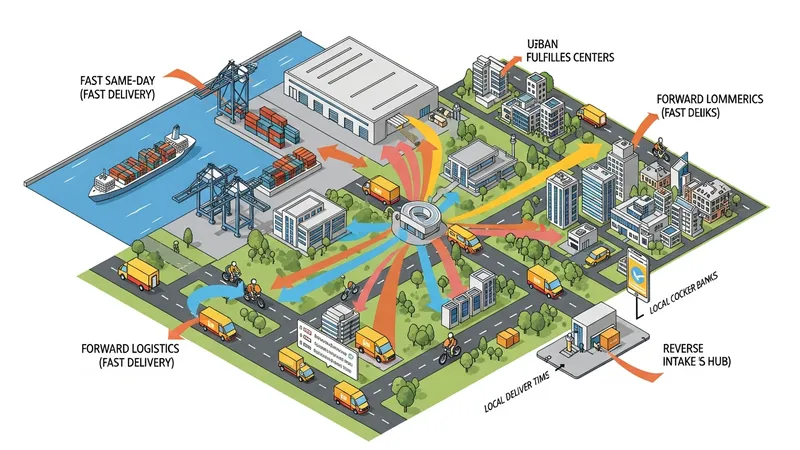
Reverse logistics and returns processing are notable cost drivers for online retail in the Netherlands. Clear return instructions, local drop-off points, and cooperation with carriers can shorten processing times and lower handling costs. Marketplace platforms may provide return management services that standardise procedures, but merchants using these services often track return rates and reasons to refine product listings and sizing information. Automated return labels and dedicated intake flows can help reconcile returned stock with inventory systems more efficiently.
Warehouse management systems and local 3PLs often support order batching, pick-and-pack optimisation, and seasonal scaling. Dutch third-party logistics providers may offer integrations with marketplaces and payment providers to synchronise orders and tracking data. Merchants often consider fulfilment SLAs and parcel tracking transparency as operational priorities; customers in the Netherlands frequently value clear delivery windows and tracking updates, which can reduce support inquiries and perceived fulfilment risk.
Sustainability considerations are increasingly present in logistics choices, particularly for Dutch consumers attentive to environmental impact. Consolidated deliveries, use of electric city distribution vehicles, and packaging optimisation are approaches some retailers may explore to reduce carbon footprint. While such options may influence cost structures, they also intersect with regulatory and consumer trends that affect long-term logistics planning in the Netherlands.