
E-commerce Evolution: Key Trends Shaping Online Retail

Payments and checkout infrastructure in E-commerce Evolution: Key Trends Shaping Online Retail
Payment methods popular in the Netherlands, such as iDEAL, often determine checkout design and conversion metrics for Dutch webshops. Providers like Adyen and Mollie commonly offer direct integrations that support local payment options and recurring billing models. Payment choice can influence consumer trust and cart completion rates; as a result, Dutch merchants may prioritize implementing familiar local methods. Settlement timing, transaction fees, and dispute resolution processes offered by payment providers may also affect operational cash flow and reconciliation practices.
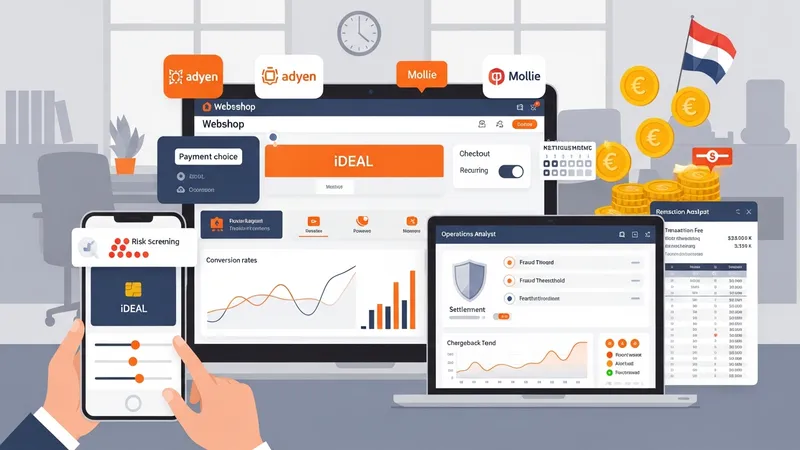
Fraud prevention and chargeback handling are relevant considerations in payments architecture. Payment platforms used in the Netherlands typically include risk screening modules that may flag suspicious transactions and assist with regulatory compliance. Merchants often balance strict fraud thresholds against customer friction, adjusting rules to reflect regional transaction behavior and trusted payment types. Monitoring chargeback trends and refining verification steps can be part of routine financial operations for e-commerce firms operating in Dutch markets.
Checkout experience design can be aligned with local expectations to reduce abandonment. This may involve presenting iDEAL as a primary option, ensuring multi-language prompts when appropriate, and minimising required form fields. Some Dutch shoppers may prefer invoice or bank-transfer options; support for such formats is often provided by payments vendors. Integration testing across devices and browsers commonly helps retailers ensure that payment flows remain stable under peak traffic and promotional periods.
Compliance with Dutch and EU payment and data regulations typically shapes vendor selection and contract terms. Payment services must operate under applicable financial licensing and reporting regimes, and merchants may need to verify provider compliance as part of vendor due diligence. Maintaining clear documentation for settlement processes, refund procedures, and data handling is often advised as a governance practice rather than a promotional concern.