
E-commerce Evolution: Key Trends Shaping Online Retail

Data, personalization, and operational cost factors in E-commerce Evolution: Key Trends Shaping Online Retail
Data-driven personalization in Dutch e-commerce typically relies on customer consent and compliance with privacy rules overseen by the Autoriteit Persoonsgegevens. Retailers may use anonymised behavioural data to suggest products, refine search results, or predict replenishment needs. Implementations often follow a staged approach—testing small models and measuring uplift—so that merchant systems can calibrate recommendation accuracy without over-committing compute resources or violating consent terms.
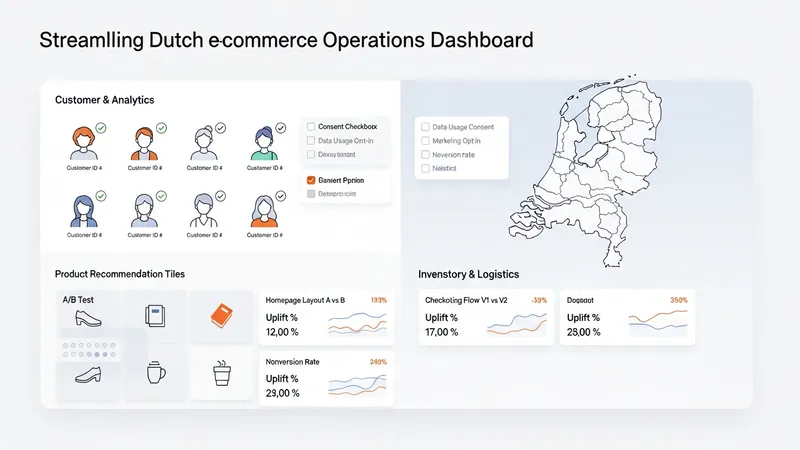
Inventory forecasting tools and automated replenishment systems may reduce stockouts and overstock risks when tuned to local sales patterns and seasonal cycles within the Netherlands. Many firms integrate sales channels, warehouse records, and supplier lead times to produce replenishment signals; these systems typically require clean master data and periodic review. Costs associated with software licensing, data storage, and system integration can vary, and Dutch merchants often compare hosted SaaS options from local vendors against on-premise or self-hosted solutions when estimating total cost of ownership.
Operational costs in the Netherlands often reflect labour, warehousing near logistics hubs, and technology integration expenses. Employers may consider regional wage norms and facility accessibility when locating fulfilment sites. Technology investments such as API integrations with Adyen, Mollie, or marketplace partner systems commonly require initial development plus ongoing maintenance; organisations typically plan budgets that account for upgrades, security patches, and regulatory reporting obligations rather than assuming one-time deployment suffices.
When implementing personalization and automation, Dutch retailers commonly treat data governance, model monitoring, and explainability as ongoing responsibilities. Periodic audits, privacy-impact assessments, and vendor contract reviews may help ensure systems remain aligned with legal and operational requirements. These practices are presented here as considerations; they can inform phased adoption strategies and help maintain alignment between customer experience objectives and underlying cost structures.