
Digital Wealth Management Platforms: How Online Tools Support Portfolio Management

Regulatory, custodial, and security aspects in the United States
In the United States, regulatory oversight for digital advisory and brokerage services commonly involves the Securities and Exchange Commission (SEC) and self-regulatory organizations such as FINRA, depending on the entity’s registration status. Platforms that provide advisory services may be registered investment advisers and subject to disclosure requirements, while transactional execution and custody are often provided by broker-dealers regulated under SEC and FINRA rules. Regulatory filings and disclosure documents can clarify a platform’s legal status and supervisory structure.
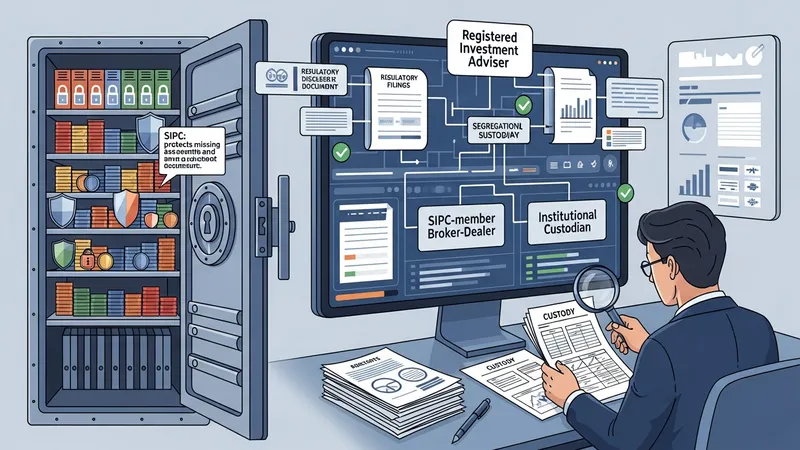
Custody arrangements determine where assets are held; many platforms operate with custody at SIPC-member broker-dealers or at institutional custodians. SIPC protection typically covers missing assets at a member brokerage up to statutory limits, but it does not insure market losses. Platforms usually publish information about their custodial relationships and how client assets are segregated or reported on custodial statements, which is relevant for verification and recordkeeping.
Data protection measures used by U.S.-focused platforms commonly include encryption for data in transit (TLS) and at rest, multi-factor authentication, and role-based access controls for administrative interfaces. Third-party security assessments and SOC-type reports may be available for institutional integration partners. Users and administrators often check the platform’s security documentation to understand authentication options, session controls, and procedures for responding to suspected unauthorized access.
Regulatory and privacy considerations also include data-sharing consents and disclosures. In the United States, platforms must disclose how account and personal data are used and whether data is shared with third parties for operations such as aggregation or analytics. Reviewing privacy policies and regulatory disclosures can help clarify data-sharing practices and the contractual responsibilities of custodians and platform operators.