
Digital Wealth Management Platforms: How Online Tools Support Portfolio Management

Automated portfolio processes and risk management considerations
Automated services commonly include scheduled rebalancing, model-based allocation updates, and tax-oriented features such as tax-loss harvesting. In the United States, tax-loss harvesting implementations reference IRS rules on wash sales and lot identification; platforms typically document their approach to lot selection and wash-sale identification. Risk management tools may present metrics such as historical volatility, asset-class correlations, and hypothetical drawdown scenarios to help users assess model behavior under various market conditions.
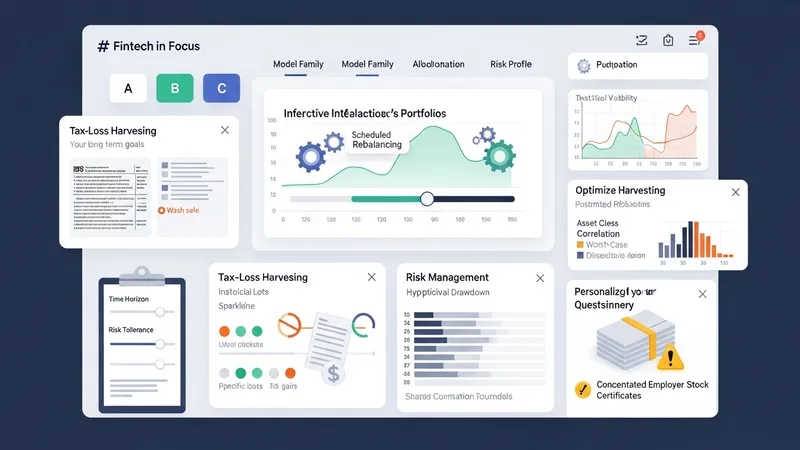
Model construction and risk profiling often start with questionnaire inputs that estimate an investor’s time horizon and risk tolerance. These inputs feed allocation models that emphasize diversification across asset classes. It is common for platforms to provide standard model families rather than bespoke portfolios for each user; this model-based approach can produce consistent rebalancing behavior but may not address complex individual circumstances such as concentrated employer stock or unique tax situations.
Automated tax features can offer incremental tax efficiency for taxable U.S. accounts, but their benefits depend on account composition, turnover, and prevailing tax positions. Platforms may harvest losses across similar securities while attempting to avoid wash-sale disallowances, although the implementation details and thresholds can vary. Users are typically advised to review harvest summaries and consult tax professionals for complex tax situations, since automated processes may not capture all personal tax rules or elections.
Operational limits and failure modes are relevant risk management considerations. For example, connectivity interruptions, order routing delays, or mismatches between aggregated data and custodian records can affect execution or reporting. Platforms generally provide logs, alerts, and trade confirmations reflecting actions taken through the registered custodian, and reviewing those confirmations is a practical step to confirm that automated instructions were executed as expected.