
Digital Wealth Management Platforms: How Online Tools Support Portfolio Management

Cost factors, reporting features, and practical considerations for U.S. investors
Fee structures vary across digital platforms and can include advisory fees expressed as an annual percentage of assets under management, fixed subscription fees, or trading and account maintenance charges. In the United States it is common for robo-advisory services to present fees as an annual percentage (for example, many fall within a low-percentage range, while hybrid or personalized advisory services may charge higher rates). Additionally, underlying fund expense ratios and trading costs can materially affect net portfolio outcomes over time.
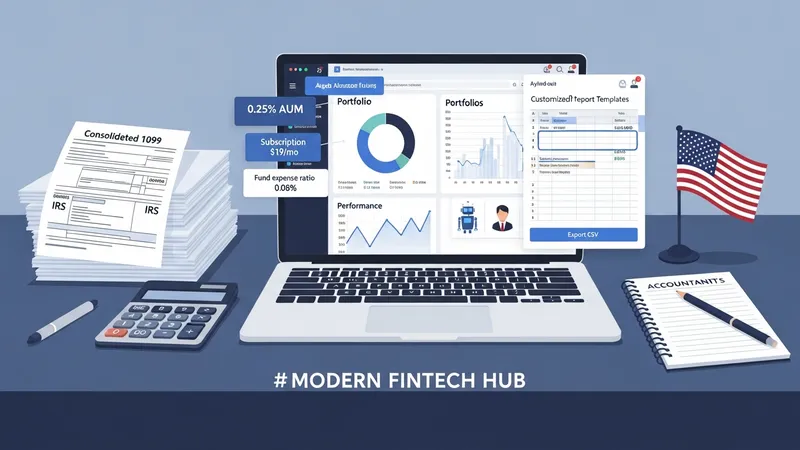
Reporting capabilities are an important functional consideration: platforms typically provide consolidated performance reports, transaction histories, and tax documents such as consolidated 1099s for taxable accounts. For retirement accounts, platforms may include contribution and distribution summaries that align with IRS reporting cycles. The ability to export raw data or generate customizable reports can assist with tax preparation and external financial analysis used by U.S. tax preparers or accountants.
Practical considerations for users include reviewing total cost of ownership (platform fees plus fund expenses), confirming custodial statements against platform aggregates, and understanding how the platform handles transfers, account closures, or plan rollovers. U.S. investors may also check whether the platform supports specific account types they need (IRA, Roth IRA, taxable brokerage, 401(k) rollovers) and how those account types are reflected in reporting and tax documents.
Finally, governance and service transparency matter: reviewing fee disclosures, terms of service, and any advisor-client agreements helps clarify responsibilities and potential conflicts of interest. For complex financial situations or tax-sensitive strategies, consultation with a licensed U.S. tax advisor or registered investment professional may be appropriate to interpret platform-generated reports and to align automated processes with individual circumstances.