
Credit Card Processing: How Payment Gateways And Merchant Accounts Work For Businesses

Security, Compliance, and Chargeback Management in U.S. Card Processing
Security and regulatory compliance are core to card processing operations. The Payment Card Industry Data Security Standard (PCI DSS) outlines technical and operational requirements for entities that store, process, or transmit cardholder data; many U.S. merchants rely on measures such as tokenization, encryption, and hosted payment solutions to limit PCI scope. Additionally, EMV adoption for card-present transactions and support for contactless payments are widely implemented across U.S. terminals to reduce counterfeit fraud.
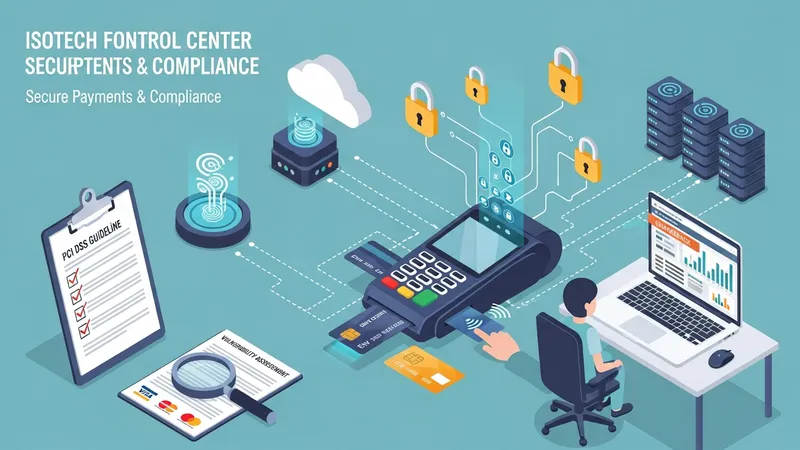
Tokenization replaces card numbers with non-sensitive tokens that can be used for recurring billing or card-on-file scenarios without exposing the primary account number. Point-to-point encryption (P2PE) can encrypt card data at the terminal before it reaches the gateway or processor. These techniques are often part of a broader security strategy that includes regular vulnerability assessments and adherence to card network technical guidelines published by Visa and Mastercard and referenced by the PCI Security Standards Council.
Chargeback management follows card network procedures and timelines that U.S. merchants must observe. When a consumer disputes a transaction, the issuing bank may initiate a chargeback; merchants receive notification and a timeframe to respond with evidence. Representment, evidence submission, and escalation steps are governed by network rules. Effective dispute handling often requires maintaining clear receipts, delivery confirmations, or digital transaction records that demonstrate fulfillment or authorization.
Regulatory and consumer-protection considerations can also affect processing practices. For example, the Federal Trade Commission (FTC) provides guidance on fair billing and consumer communication, and card networks publish operating rules that influence dispute resolution and fee assessment. Merchants typically align their policies and documentation with these frameworks to reduce exposure and to maintain consistent operational controls.