
Container House Prices: An Overview Of Budget Considerations

Comparison with Traditional Housing Prices
Container houses are sometimes perceived as an alternative to traditional building methods, but direct price comparisons should account for differences in materials, timelines, and regulatory pathways. While the shell of a container house may come at a lower upfront material cost, the total price after modification, delivery, and finishing can approach that of a smaller conventional home depending on region, labor, and specification level.
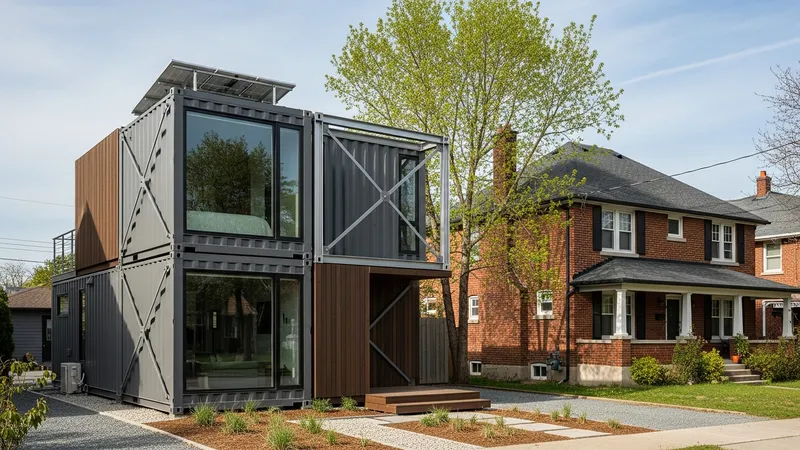
Unlike traditional homes built primarily from masonry, timber, or concrete, container dwellings typically use a repurposed steel box as the starting structure. The time savings afforded by pre-existing modular units may yield modest reductions in construction labor, but specialized work for steel cutting, insulation, and reinforcement commonly requires skilled trades. This can balance out some initial savings associated with prefabrication.
Traditional homes often benefit from a wider supply of standard building materials and fixtures, which can mean a broader price range for finishes and customization. In contrast, container homes may require specially sized doors, windows, or insulation products, potentially raising costs for certain customizations. The narrower dimensions of standard shipping containers may also limit design options and affect usable floor area relative to cost.
Maintenance and long-term upkeep for container and traditional homes may vary, with container structures requiring periodic checks for corrosion, paint integrity, and thermal bridging. These ongoing maintenance practices can influence the total cost of ownership over time, further reinforcing the importance of considering both upfront and lifecycle expenses when comparing container house prices to conventional alternatives.