
Container House Prices: An Overview Of Budget Considerations

Cost Distribution in Container House Construction
Breaking down a container house’s total price, the largest expenditure is typically associated with the structural shell and primary modifications. This includes the purchase price of the container itself along with the necessary alterations such as cutting openings for doors and windows, reinforcing load-bearing sections, and applying protective coatings against corrosion or weathering.
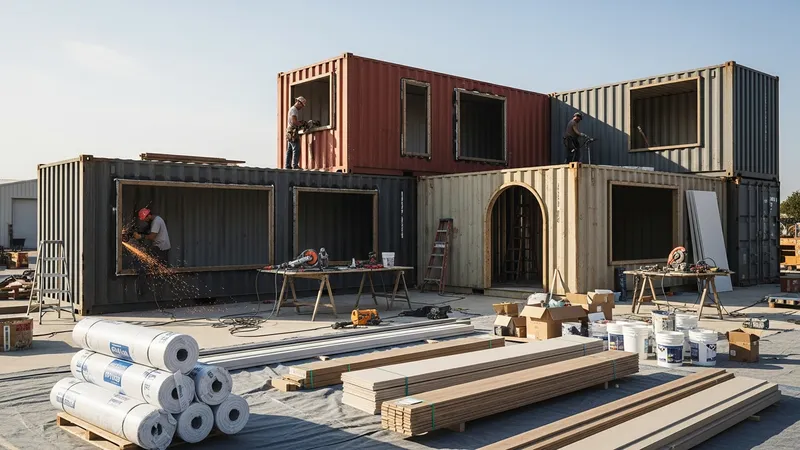
Interior finishing work represents a substantial portion of the budget. This often includes insulation, drywall or paneling, joinery, flooring, and painting. Because shipping containers are made of steel, achieving consistent indoor temperatures may require advanced insulation techniques, adding both complexity and cost to the project. Kitchen and bathroom installation can further increase the finishing expenses depending on the level of amenities selected.
Mechanical, electrical, and plumbing (MEP) systems are another significant category. Integrating wiring, lighting, heating, cooling, water supply, and waste removal must be planned within the confines of the narrow container space. Depending on municipality and user needs, alternative energy solutions such as solar panels might also be introduced, each impacting the final expense differently.
Final site work, including the construction of foundations, utility hookups, and landscaping, is a necessary cost component. These preparations ensure the container home is stable and meets legal occupancy standards. Foundation choices may vary from concrete slabs to pier systems or screw piles, each with its typical price implications. Together, these elements form the main segments of container house construction costs.