
Container House Prices: An Overview Of Budget Considerations

Factors That Influence Container House Pricing
The price of a container house is shaped by several interconnected factors, of which the quality and condition of the containers themselves play an important role. Containers can be sourced as new, used, or refurbished units; each category comes with its specific cost considerations. Newer containers often command higher prices due to their pristine structural integrity, whereas used containers may require additional investment for cleaning, rust removal, and surface repairs.
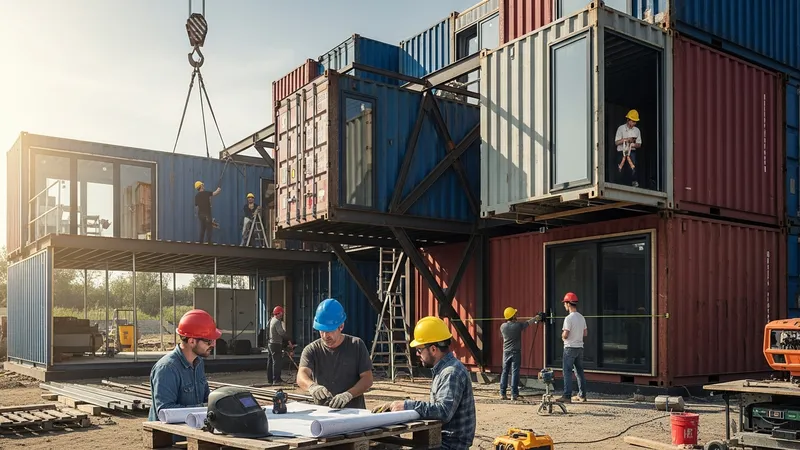
Design complexity is another prominent factor, with pricing rising as more advanced layouts, multi-level structures, or intricate interior features are requested. Simpler designs using a single container tend to incur lower expenses, usually because of limited site preparation, single-source utility hookups, and reduced interior finishing requirements. In more complex projects, the need for specialized labor and engineering input may create additional line items in the budget.
The location and accessibility of the intended building site can influence overall construction spending as well. Transporting containers to remote or constrained sites may necessitate the use of heavy equipment, traffic management, or even pilot cars in certain jurisdictions. Additionally, challenging soil conditions or uneven terrain may call for advanced foundation work, which can affect the total outlay.
Local regulations and permitting costs are important elements to examine. Some regions may have well-established frameworks for approving modular or alternative dwellings, while others may require detailed engineering assessments or custom code compliance measures. Permit application fees, inspections, and utility connection charges may all be components of the broader container house price.