
Container House Prices: An Overview Of Budget Considerations

Planning Considerations and Common Budgeting Practices
Effective planning is a core component in managing the budget of a container house project. Prospective owners and planners are typically advised to compile a comprehensive breakdown of all anticipated expenses before construction begins. This process can involve consultation with architects or builders familiar with modular construction and include line items for site preparation, transportation, permits, shell purchase, and interior fit-out.
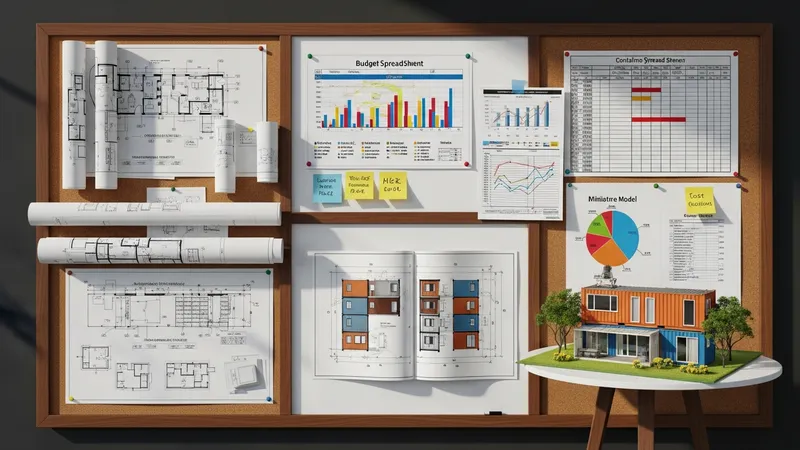
It is common practice to allow for a contingency budget, as unforeseen requirements such as addressing hidden corrosion, adapting to local building codes, or accommodating last-minute design changes may arise. A contingency of 10–20% of the base project estimate is sometimes factored in to absorb unexpected expenditures without exceeding planned limits.
Cost-saving measures that may be implemented include simplifying interior layouts, selecting standard container sizes, or choosing readily available local materials for finishing. However, while these approaches can influence the overall cost structure, care should be taken to maintain safety, livability, and code compliance throughout construction.
Budgeting for ongoing operational expenses is also important. While some container homes are designed for energy efficiency, factors such as insulation quality, window placement, and renewable energy integration can affect long-term utility costs. By considering both immediate construction outlays and future maintenance needs, potential residents and builders can form a more accurate understanding of overall container house affordability.