
Carbon Credit Monetization: Key Steps For Turning Credits Into Revenue

Market Access and Trading Mechanisms
After successful certification and verification, carbon credits typically enter the marketplace through formal platforms or direct transactions with buyers. In Brazil, B3 Bolsa Balcão serves as a key venue for voluntary and compliance-based carbon credit trading. Listings on such platforms require submission of proof of certification and a transparent chain of custody for the credits.
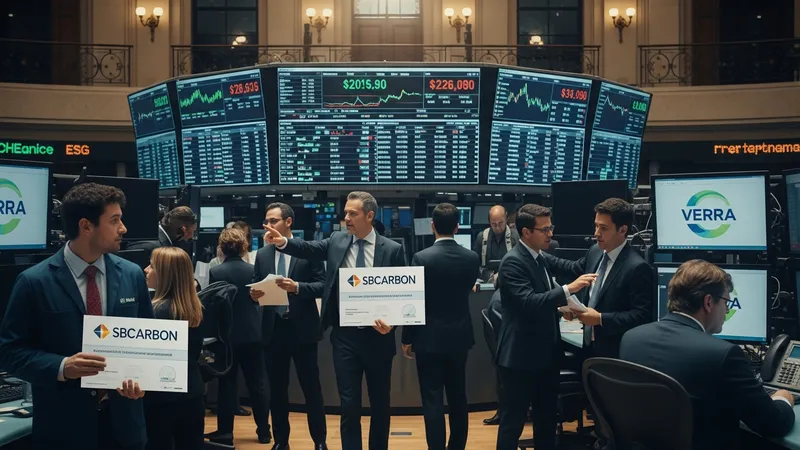
Market mechanisms within Brazil are influenced by both local regulations and international standards, with pricing determined by supply, demand, and verified credit attributes. Credits from projects recognized by robust certification schemes—such as SBCARBON or Verra—may see higher demand, especially from corporations targeting sustainability disclosure or regulatory obligations under programs such as the Brazilian National Climate Registry.
Transaction fees are typical, and the process of closing a trade on the B3 or similar marketplaces often involves conditions regarding verification status, project origin, and co-benefits. Sellers are generally expected to maintain updated project records and ensure compliance with platform listing requirements. Recent trends show a gradual increase in credit volumes on the B3, reflecting a maturing market and heightened interest among buyers.
Alternative trading approaches may also be present, such as bilateral over-the-counter agreements, though these are subject to additional negotiation and may involve legal advisors to ensure compliance with Brazilian contract and environmental law. The growing integration of registries and trading platforms aims to enhance transparency and reduce barriers to entry for new market participants.