
Carbon Credit Monetization: Key Steps For Turning Credits Into Revenue

Verification and Validation Steps in the Monetization Process
Once a project is certified, verification and validation provide assurance that reported results are accurate and in line with the underlying standards. In Brazil, verification is commonly performed by accredited third-party auditors, sometimes affiliated with international bodies such as Verra. The process typically involves detailed document reviews, field inspections, and confirmation of historical project data.
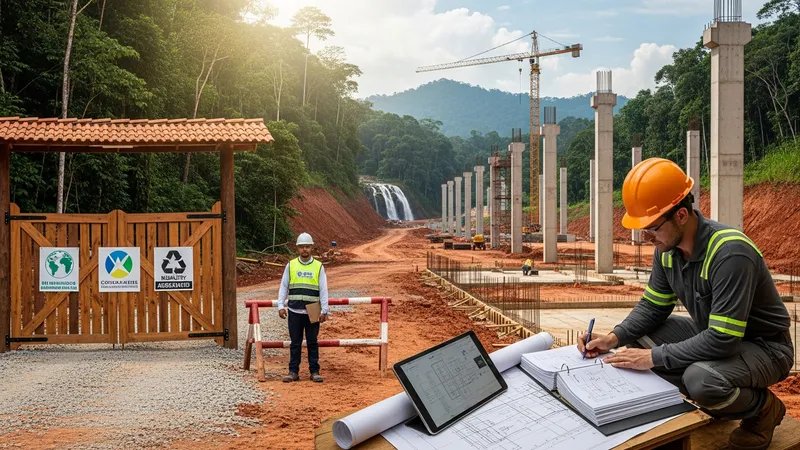
Project developers in Brazil are required to facilitate audit activities, supplying necessary documentation and granting access to project sites. The timeline for verification can vary, often taking several weeks to several months, based on the project’s complexity and geographic distribution. Estimated verification fees in the Brazilian context may be structured as fixed amounts or proportional to the number of credits being validated.
The Brazilian market increasingly values transparent verification due to buyer due diligence requirements and potential national regulatory integration. Internal quality control systems, such as regular monitoring and data backup, can streamline the verification process. The use of digital platforms and standardized reporting templates may help ensure that data submissions remain consistent across multiple verification periods.
In some cases, verification procedures may involve additional criteria developed in parallel to international standards, specifically tailored to local environmental and social contexts within Brazil. These adaptations aim to reflect regional biodiversity and socio-economic impacts, adding complexity but also fostering greater alignment with local sustainability priorities.