
Carbon Credit Monetization: Key Steps For Turning Credits Into Revenue

Certification Pathways for Carbon Credit Monetization
Certification in Brazil usually starts with a defined methodology, where project activities are mapped and baselines are established in line with national or internationally recognized protocols. Organizations such as SBCARBON create sector-specific guidelines for projects ranging from forest conservation to renewable energy. Selecting the appropriate pathway often depends on project type, local conditions, and alignment with regulatory expectations.
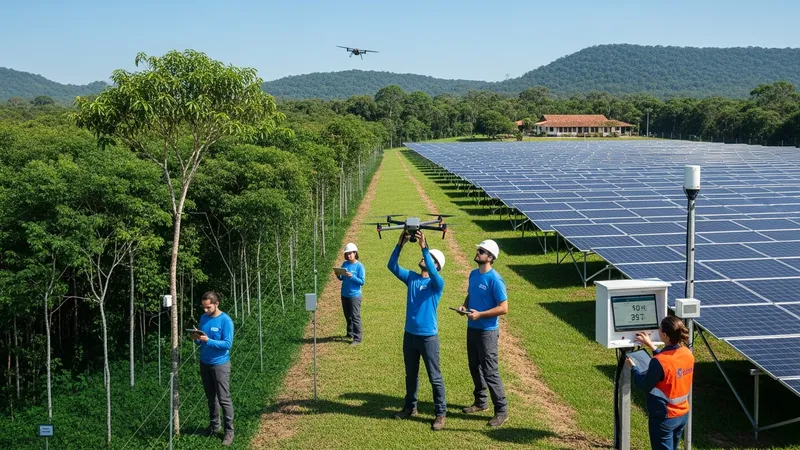
Fees and timelines associated with certification can differ by institution and project scale. SBCARBON, for example, typically charges based on the size and complexity of the submission, and may require additional documentation for activities such as reforestation or methane recovery. Preparing for certification can involve assembling historical data, establishing monitoring systems, and maintaining communication with the certification body.
The certification process may also be influenced by evolving policy frameworks within Brazil, including anticipated government regulations and voluntary standards. New initiatives, such as potential integration with national emissions inventories or public registries, are periodically discussed among stakeholders. It is not uncommon for certification bodies to adapt processes in response to such changes, which may affect the speed and cost of project approval.
Developers often consider the reputation and recognition of the certifying entity, as this can impact both marketplace access and buyer confidence. Third-party audit mechanisms are commonly used to reinforce transparency. Continuous review of certification requirements is advised to accommodate adjustments in calculation methodologies or documentation protocols.