
Carbon Credit Monetization: Key Steps For Turning Credits Into Revenue

Cost Structures and Policy Considerations
The financial aspects of monetizing carbon credits in Brazil typically include certification fees, verification costs, and ongoing transaction charges. These amounts may fluctuate based on the type of project, chosen certification body, and the marketplace platform. For instance, certification and verification for a mid-sized reforestation project may total over R$30,000, while transaction fees for selling credits may be specified as a percentage per trade on platforms such as B3 Bolsa Balcão.
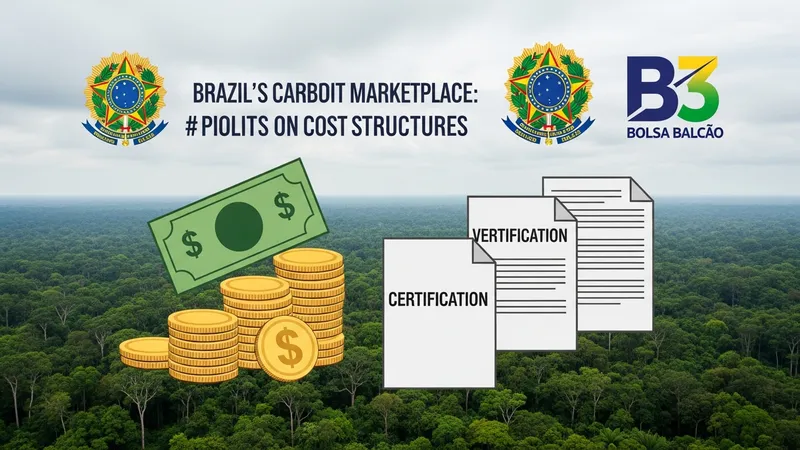
National policy frameworks continually shape cost structures by setting reporting standards, eligibility rules, and disclosure requirements. Regulatory updates from authorities, such as the Ministry of the Environment, can impact credit issuance or trade approval timelines. Participants often track such changes to anticipate potential adjustments in compliance obligations or permissible revenue streams from credit sales.
Additional considerations include costs related to legal representation, insurance for project risks, and ongoing monitoring required for maintaining certification. Some developers may access advisory services to navigate the evolving policy landscape, balancing project planning with long-term compliance needs. Transparent cost estimates and contractual clarity are generally regarded as prudent risk management approaches.
Future developments in Brazil’s carbon credit sector may include the implementation of new policy mechanisms, integration with global carbon markets, and advancement of digital registries. Market participants may benefit from continual monitoring of legal updates that affect project eligibility, regulatory compliance, and available trading venues.