
Carbon Accounting Software: How Enterprises Track Emissions And Environmental Impact

Carbon Accounting Software: Reporting, Verification, and Compliance
Reporting functions in carbon accounting software often produce standardized outputs for voluntary disclosures and potential regulatory submissions. In the United States, enterprises may align outputs with guidance from the EPA, the Greenhouse Gas Protocol, or investor-focused frameworks such as CDP. Reports can include facility-level inventories, consolidated organizational totals, scope breakdowns, and trend analyses. Export formats typically include spreadsheets, PDF summaries, and machine-readable files that can be provided to stakeholders or used in regulatory filings where applicable.
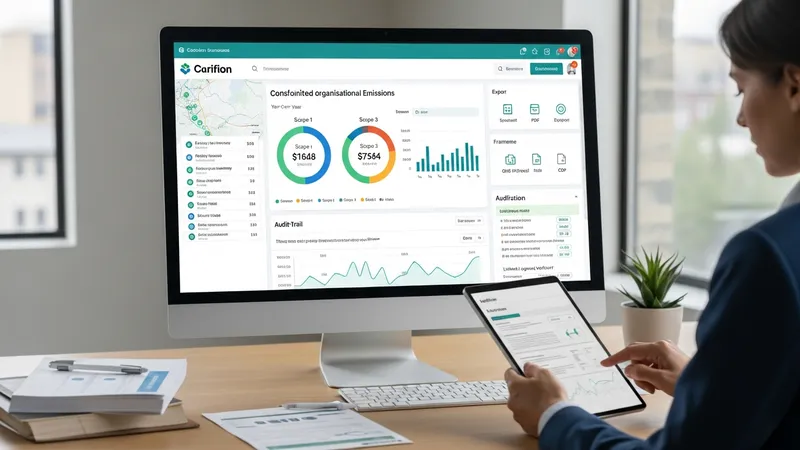
Verification and assurance features help prepare data for third-party review. Software may track and preserve source documents, capture approval workflows, and log calculation steps that verifiers require. In the US corporate context, assurance providers often request clear documentation of data provenance and control processes. Platforms that maintain version histories and standardized audit trails may streamline assurance engagements by showing how inputs were collected, normalized, and converted into emissions figures.
Compliance considerations in the United States can vary by sector and jurisdiction. Federal initiatives, such as proposed or evolving disclosure expectations, and state-level reporting requirements can influence reporting frequency and level of detail. Companies operating in multiple states may need to reconcile different regulatory timelines and data requests. Many organizations therefore design reporting outputs that can be filtered by jurisdiction and that include metadata to demonstrate alignment with specific reporting criteria.
Stakeholder reporting needs extend beyond compliance. Investors, customers, and lenders increasingly reference GHG disclosures when assessing organizational performance. Software that supports customizable dashboards and standardized export templates may help enterprises respond to diverse stakeholder requests. Maintaining consistent calculation methods and documented assumptions is typically important to preserve comparability across reporting periods and to manage stakeholder inquiries.