
Carbon Accounting Software: How Enterprises Track Emissions And Environmental Impact

Carbon Accounting Software: Cost Factors and Implementation Considerations
Cost drivers for carbon accounting software in US enterprises often include data integration complexity, number of reporting sites, and the extent of scope 3 coverage. Licensing models may vary—some providers offer subscription-based pricing that scales with user seats or data volume, while others provide modular pricing for specific features such as supplier engagement or assurance support. Implementation costs can include professional services for system configuration, ongoing data management, and staff time to validate and review inventories.
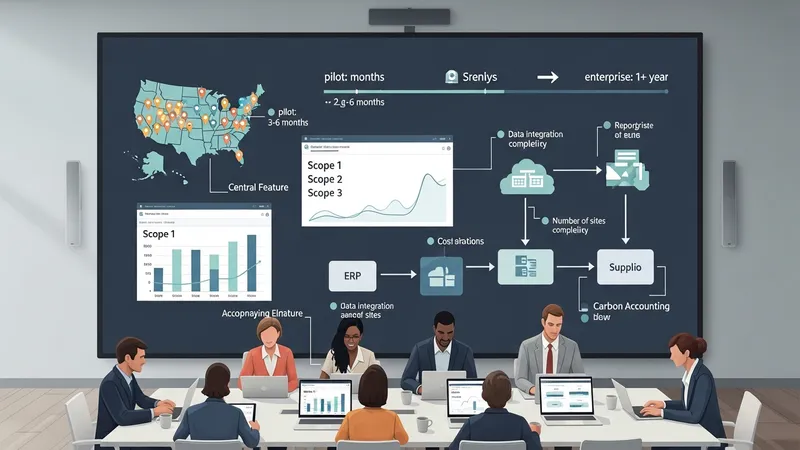
Implementation timelines commonly reflect organizational readiness and data availability. In the United States, pilots that focus on a subset of facilities or on scope 1 and 2 emissions can often be established within months, whereas enterprise-wide adoption including scope 3 categories may take a year or longer. Enterprises frequently allocate internal resources for project governance, data mapping, and change management to ensure consistent procedures and to build confidence in outputs among finance, operations, and sustainability teams.
Operational considerations include staffing, training, and ongoing maintenance. Software that automates routine ingestion and validation tasks can reduce manual effort, but companies often still invest in internal roles for data stewardship and quality control. Integrations with existing IT infrastructure may require coordination with security and compliance teams to ensure adherence to corporate policies, particularly for data confidentiality and retention. Vendor support models and SLAs can influence how organizations plan for troubleshooting and updates.
Evaluating return on investment is typically framed in terms of improved data quality, reduced time for reporting, and better-informed operational decisions rather than guaranteed financial outcomes. For many US enterprises, clearer emissions data can inform energy efficiency measures, procurement choices, and capital planning, which may contribute to operational cost management over time. Careful scoping of initial projects and phased rollouts often helps organizations manage implementation cost and complexity while building internal capabilities for ongoing accounting and reporting.