
Cancer Treatments: Exploring Conventional Modalities And Supportive Care

Surgical and Local Therapies in Cancer Treatments and Supportive Care
Surgical approaches are commonly used to remove primary tumors or to obtain diagnostic tissue. Procedures vary from minimally invasive resections to more extensive operations and may include lymph node sampling or reconstruction. When surgery is planned, supportive care considerations can include preoperative assessment, optimization of nutrition and comorbid conditions, and postoperative rehabilitation. Teams often evaluate risk factors for complications and may recommend physical therapy or wound care support after surgery. Discussions about expected recovery timelines and potential functional impacts typically occur as part of shared planning without prescriptive guarantees.
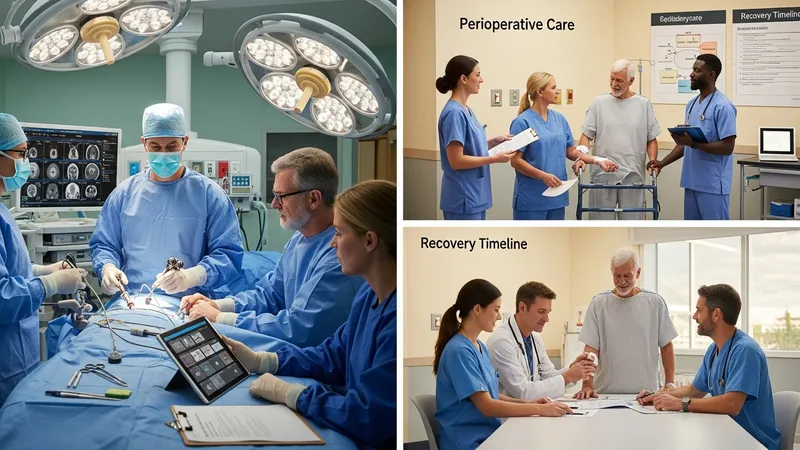
Local control strategies often interact with other modalities: surgery may be followed by radiation or systemic therapy to lower recurrence risk in certain contexts. Timing and sequencing depend on tumor biology, margins, staging, and patient fitness. For example, neoadjuvant (pre-surgery) systemic therapy may be used to reduce tumor size, while adjuvant (post-surgery) treatments may address microscopic disease. Supportive care during these intervals commonly focuses on perioperative symptom management, mobility preservation, and psychosocial support to aid recovery and adherence to subsequent therapy.
Risk reduction and rehabilitation are integral to surgical care pathways. Prehabilitation programs may include exercise, nutritional counseling, and smoking cessation support that can often improve baseline fitness before major procedures. Postoperative rehabilitation may address mobility, range of motion, and activities of daily living. Pain control strategies and monitoring for surgical complications typically involve nursing and specialty consults. These supportive elements aim to improve short-term recovery metrics and facilitate timely access to any planned adjuvant treatments.
Coordination between surgical teams and supportive services can improve continuity of care. Multidisciplinary care plans may outline expected follow-up intervals, criteria for wound checks, and indicators for escalation of symptoms. Clear communication among surgeons, medical teams, primary care providers, and allied professionals often helps manage transitions from inpatient to outpatient settings. Such coordination is presented as a common organizational approach and not as a guarantee of specific outcomes for individual patients.