
Cancer Treatments: Exploring Conventional Modalities And Supportive Care

Radiation-Based Modalities and Integration with Supportive Care
Radiation therapy uses targeted ionizing radiation to treat localized disease and may be delivered as external beam radiation, stereotactic techniques, or brachytherapy. Planning relies on imaging and dosimetric calculations to balance tumor control with preservation of surrounding tissue. Supportive care considerations with radiation often include skin care guidance, management of fatigue, and monitoring for organ-specific effects that can emerge during or after treatment. Multidisciplinary input from radiation oncologists, nurses, and supportive clinicians typically informs symptom surveillance strategies.
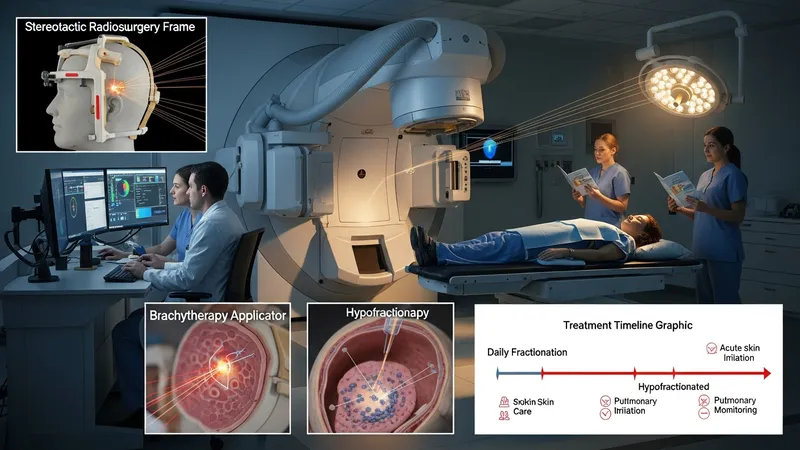
Fractionation schedules and delivery techniques vary by indication: some regimens involve daily treatments for several weeks, while others use higher-dose, fewer-fraction approaches. Each approach has different patterns of acute and late effects; for example, shorter high-dose regimens may have distinct toxicity profiles compared with conventional fractionation. Supportive services are often tailored to the anticipated side-effect timeline and may include dietary modifications, swallowing therapy for head and neck radiotherapy, or pulmonary monitoring for thoracic treatments.
Proactive symptom management is frequently emphasized in radiation care pathways. Clinicians may use validated assessment tools to track fatigue, mucositis, dermatitis, or other site-specific reactions and to guide interventions such as analgesia, topical care, and rehabilitative therapies. Coordination with systemic therapy schedules is important when radiation is combined with systemic agents, as combined modalities can influence toxicity risk. Planning conversations commonly consider the cumulative impact of modalities and the supportive measures needed to maintain function.
Follow-up after radiation often includes surveillance imaging and clinical assessments to evaluate response and late effects. Supportive care may extend into survivorship, addressing chronic symptoms or functional limitations that persist. Rehabilitation services and psychosocial support can assist with long-term quality-of-life concerns. These care elements are typically structured as options within multidisciplinary survivorship planning rather than definitive outcomes applicable to every individual.