
Cancer Treatments: Exploring Conventional Modalities And Supportive Care

Cancer treatment commonly involves a set of conventional medical approaches paired with supportive care services. Conventional modalities are interventions that target cancer cells directly or remove affected tissue; they include surgical procedures, radiation therapy, and systemic drug treatments. Supportive care encompasses symptom management, rehabilitation, nutritional guidance, psychosocial support, and palliative approaches that address quality-of-life concerns across the illness trajectory. Together, these components form integrated pathways intended to control disease manifestations, relieve symptoms, and help patients maintain function during and after active treatment.
Descriptions of these care elements emphasize roles rather than promises: surgical, radiation, and systemic therapies may reduce tumor burden or manage local effects, while supportive services may address pain, fatigue, emotional distress, and functional needs. Clinical teams typically assess disease characteristics, patient health status, and treatment goals to propose combinations of modalities. Coordination among specialists—surgeons, radiation oncologists, medical oncologists, palliative care clinicians, nursing staff, and allied professionals—often shapes how conventional modalities and supportive care are sequenced and adjusted over time.
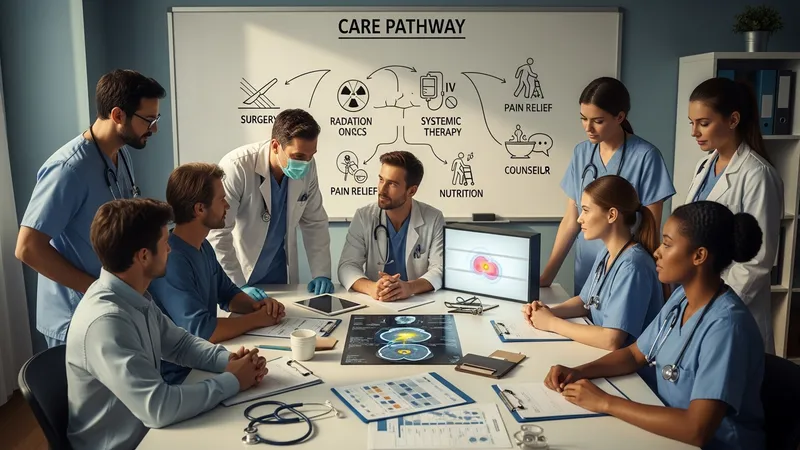
- Surgical interventions: procedures to remove or reduce localized tumors, sometimes accompanied by reconstruction or sampling of nearby lymph nodes; used when anatomical removal is feasible.
- Radiation therapy: targeted use of ionizing radiation to control or shrink tumors locally, delivered with external beam or implanted sources and often planned with imaging guidance.
- Systemic drug treatments: categories include cytotoxic chemotherapy, hormone therapies, targeted agents, and immunotherapies that circulate through the body to affect cancer cells.
- Supportive and palliative care services: multidisciplinary services for symptom control, rehabilitation, psychosocial support, and coordination of care alongside disease-directed treatments.
Comparative framing between modalities often focuses on mechanism and scope: surgery and radiation are primarily local or regional approaches, while systemic therapies act throughout the body. Each modality may be chosen alone or combined based on tumor type, stage, and patient factors; combinations may aim to improve local control, reduce recurrence risk, or palliate symptoms. Clinical decision frameworks commonly articulate intended outcomes (for example, curative, adjuvant, neoadjuvant, or palliative aims) rather than absolute expectations. These frameworks may guide sequencing and supportive-service involvement during treatment phases.
Supportive care commonly includes symptom assessment and management, which may address pain, nausea, fatigue, and functional impairments that arise from both disease and its treatments. Multidisciplinary teams can include pain specialists, physiotherapists, dietitians, social workers, and mental health clinicians. Early involvement of supportive services often aims to maintain function and daily activity levels, and to address psychosocial stressors. Evidence summaries and clinical guidelines often suggest that timely supportive interventions may reduce symptom burden and improve care coordination, recognizing outcomes can vary by individual circumstances.
Integration of modalities typically requires coordination across specialties and settings. Tumor boards or multidisciplinary case reviews may bring specialists together to align on staging, treatment sequencing, and anticipated supportive needs. Treatment plans often include monitoring schedules, imaging intervals, and criteria for modifying therapy if toxicity or progression occurs. Patient preferences and goals of care are commonly discussed within this planning context to ensure that modality selection and supportive resources reflect individual priorities and medical realities.
Risk management and toxicity mitigation are central considerations when combining conventional treatments. Each modality carries potential adverse effects—surgical complications, radiation-induced tissue changes, or systemic treatment toxicities—which supportive care aims to anticipate and manage. Prehabilitation and rehabilitation services may be used to optimize fitness before surgery and to restore function afterward. Clinical teams often apply standard assessment tools to monitor toxicity and adjust supportive measures; such tools can guide interventions without implying uniform outcomes for every person.
In summary, conventional cancer modalities and supportive care represent complementary components of comprehensive oncology practice. Modalities typically target disease control at local or systemic levels, while supportive services address symptoms, function, and psychosocial needs. Effective integration often involves multidisciplinary coordination, planned monitoring, and tailored supportive interventions that respond to evolving clinical status. The next sections examine practical components and considerations in more detail.