
Cancer Hospitals: Understanding Their Role In Oncology Care And Support

Clinical Services and Treatment Modalities Offered by Cancer Hospitals
Cancer hospitals typically provide a range of clinical modalities that address tumor biology and symptoms. Systemic therapies may include traditional cytotoxic agents, targeted pharmaceuticals that act on specific molecular pathways, and immune-based treatments that modulate host response; each modality has unique indications, scheduling patterns, and monitoring requirements. Radiation therapy services often encompass treatment planning, image guidance, and delivery techniques that can be tailored by dose, fractionation, and target volumes depending on clinical goals and safety constraints.
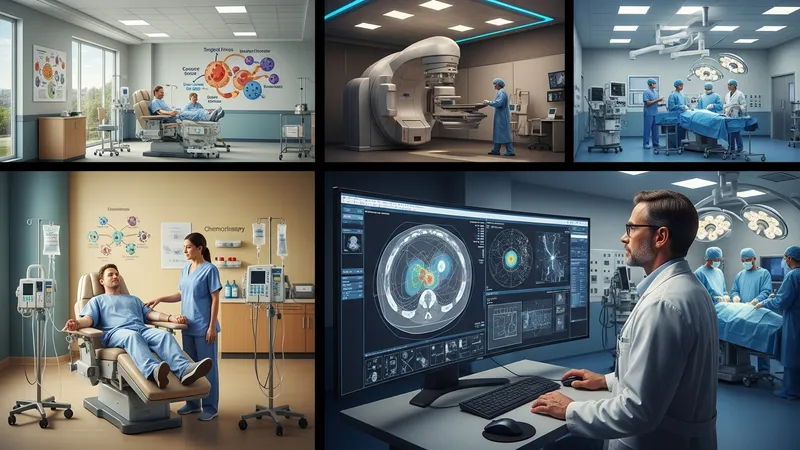
Surgical oncology services range from diagnostic biopsies and minimally invasive resections to complex procedures involving multiple organ systems and reconstructive techniques. Operating teams may coordinate with anesthesiology, intraoperative pathology, and perioperative rehabilitation services. The selection of surgical approach is typically discussed within a multidisciplinary context to align with staging information, patient factors, and the overall treatment plan. Postoperative care pathways may include enhanced recovery practices and targeted rehabilitation.
Diagnostic and laboratory services form the foundation of treatment planning. Imaging modalities such as CT, MRI, PET, and ultrasound provide anatomic and metabolic information that aids staging and response assessment. Pathology and molecular testing can characterize tumor subtype and identify biomarkers that inform systemic therapy selection or eligibility for specific clinical trials. Turnaround times and the range of available tests differ among centers and can affect how quickly treatment decisions are finalized.
Supportive clinical elements such as symptom management clinics, infusion centers, and on-site pharmacy services contribute to the day-to-day delivery of therapies. Safety systems for medication preparation, infusion monitoring, and radiation planning are integral operational components. The availability of combined-modality care—surgery plus systemic therapy or radiation—depends on institutional capacity and scheduling coordination, which may influence the timing and sequencing of interventions for individual patients.