
Cancer Hospitals: Understanding Their Role In Oncology Care And Support

Supportive Care, Patient Navigation, and Psychosocial Services in Cancer Hospitals
Supportive care services in cancer-focused hospitals address a broad set of physical, emotional, and practical needs that arise during care. Palliative symptom management typically focuses on relief of pain, nausea, dyspnea, and related concerns without implying cure; the goal is to maintain comfort and function. Psychosocial resources commonly include counseling, peer support groups, and programs for family or caregiver education. The scope and format of these services vary; some centers integrate them into routine visits while others provide referral-based access.
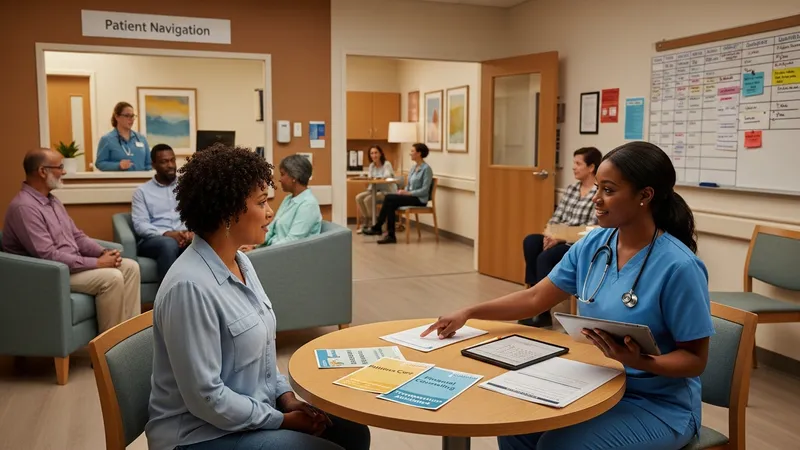
Patient navigation services aim to help individuals and families move through diagnostic, treatment, and follow-up stages by coordinating appointments, clarifying test results, and linking to community resources. Navigators may be nurses, social workers, or trained lay personnel who assist with scheduling and information flow. Navigation programs often address logistical barriers such as transportation or work-related concerns and may help connect patients with financial counseling and insurance-navigation staff when cost-related questions arise.
Rehabilitation and survivorship programs support recovery of function and quality of life after or during active treatment. Physical and occupational therapy can address mobility, strength, and daily living activities, while speech and swallowing therapy may be relevant for certain disease sites. Survivorship services frequently include monitoring for late effects, care transition planning, and health promotion discussions. The structure of survivorship programs differs widely; some centers offer multidisciplinary survivorship clinics, whereas others provide individualized follow-up plans.
Cultural competence and language-access services are important considerations within supportive care. Hospitals may offer interpreter services, translated materials, and culturally adapted education to improve communication and understanding. These offerings influence how well care teams convey complex information about diagnostics, treatment options, and side-effect management, and they are often integral to shared decision-making processes between clinicians and patients.