
Cancer Hospitals: Understanding Their Role In Oncology Care And Support

Organizational Types and Departments in Cancer Hospitals
Cancer-focused hospitals and centers can take different organizational forms, such as stand-alone specialty institutions, oncology departments embedded within general hospitals, or community-based oncology clinics affiliated with larger systems. Departmental organization often includes medical oncology for systemic therapies, surgical oncology for tumor-directed procedures, radiation oncology for ionizing-radiation treatments, pathology for tissue diagnosis, and radiology for imaging. Each department typically has defined clinical roles and pathways that interact through referral, shared records, and multidisciplinary meetings to support coordinated decision-making.
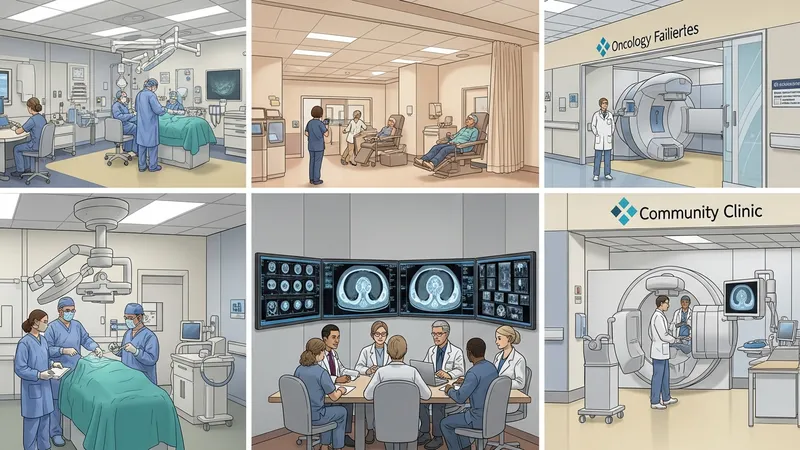
Staffing models commonly include specialist physicians, advanced practice providers, specialty-trained nurses, pharmacists, medical physicists, and allied health professionals such as dietitians, social workers, and physical therapists. Administrative units often handle scheduling, patient navigation, and outpatient infusion logistics. The degree of centralization varies: some centers maintain disease-site programs (breast, lung, gastrointestinal) with dedicated teams, while others use more generalized oncology teams that collaborate as needed. These structures can influence referral patterns, wait times, and access to disease-specific expertise.
Accreditation, certification, and participation in registries or quality collaboratives may be part of institutional profiles. These mechanisms can indicate that a hospital follows defined processes for diagnostics, multidisciplinary review, and safety standards, though the specific meaning of accreditation differs by program and region. For patients and clinicians, awareness of such credentials may serve as one piece of information about institutional processes; it is typically one of several considerations rather than a sole determinant of care suitability.
When assessing organizational fit, practical considerations may include geographic access, appointment scheduling, and the ability to coordinate across specialties within a single visit or via telehealth. For clinicians, internal referral pathways and communication tools such as electronic health records influence how efficiently teams can align care. These operational features often affect the patient experience and the logistical burden of attending multiple appointments, and they may be discussed with administrative or care coordination staff as part of planning.