
Cancer Hospitals: Understanding Their Role In Oncology Care And Support

Specialized hospitals that focus on cancer care bring together clinical services, diagnostic capabilities, and supportive programs under a single organizational structure. These facilities typically emphasize coordinated care for people with malignant disease, combining diagnostic imaging, pathology, and specialty clinical teams to plan and deliver therapies. The concept centers on integrating multiple disciplines—medical oncology, surgical oncology, radiation oncology, nursing, and allied health—to address the clinical and practical needs that arise during a patient’s course of treatment.
In addition to direct treatment delivery, such hospitals often maintain systems for care coordination, data collection, and quality monitoring. They may host multidisciplinary case reviews, maintain electronic records that support care transitions, and provide links to research activities such as clinical trials. The institutional role extends beyond procedures to include patient education, symptom management services, and links with community resources to support continuity of care over time.
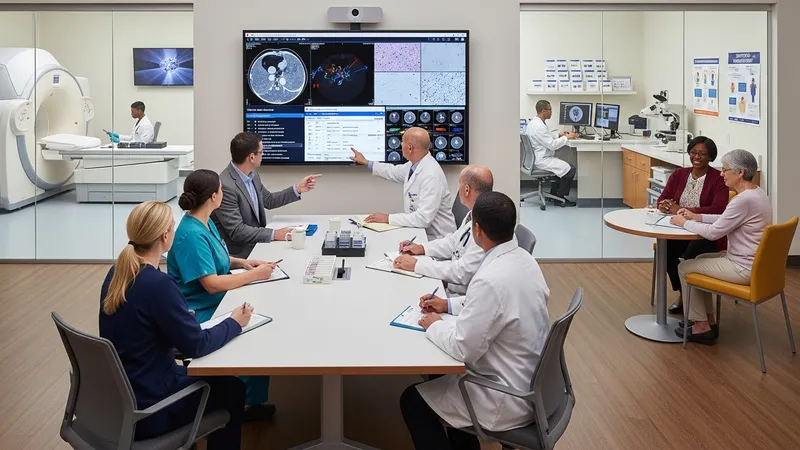
- Multidisciplinary tumor boards — regular meetings of specialists to review cases and develop coordinated care plans, often involving surgeons, medical and radiation oncologists, radiologists, and pathologists.
- Specialized treatment units — distinct clinical areas for modalities such as medical oncology infusions, radiation therapy suites, and surgical oncology operating teams, each with focused staffing and equipment.
- Comprehensive supportive services — services such as palliative symptom management, nutritional counseling, rehabilitation, social work, and psychosocial support that address nonprocedural needs alongside medical treatment.
Multidisciplinary tumor boards serve as a core coordination mechanism and may include input from genetic counselors or rehabilitation specialists when relevant. These meetings typically review diagnostic imaging and pathology reports to align recommendations across specialties, which can help clarify staging and treatment sequencing. Participation patterns and frequency vary by institution; some centers convene weekly for common disease types and as needed for complex or rare presentations. The process often aims to create a consensus plan that patients may discuss with their clinicians, rather than prescribing a single standardized pathway.
Specialized treatment units combine trained personnel with equipment and protocols tailored to particular modalities. Radiation therapy suites may include planning software and machines for external beam therapy or brachytherapy, while infusion centers may follow procedures for safe administration of systemic agents and monitoring. Staffing commonly includes specialist physicians, oncology-trained nurses, medical physicists, and technologists. Facility design and workflow typically emphasize infection control, symptom monitoring, and coordination between scheduling and clinical assessment.
Supportive services within cancer-focused hospitals address a range of nonprocedural needs. Palliative symptom management teams often focus on pain, nausea, fatigue, and other physical concerns, while psychosocial services may provide counseling, peer support groups, or caregiver resources. Rehabilitation and nutrition services commonly assist with functional recovery and treatment-related side effects. Access to these services varies by center size and resources; larger institutions often provide more on-site options, while smaller centers may refer externally or use telehealth to extend support.
Many cancer hospitals also engage in research and quality measurement. Clinical trial programs may be organized by disease site or therapeutic modality and can provide options for patients seeking investigational approaches under ethical oversight. Quality programs typically track process measures such as time to diagnosis or adherence to guideline-recommended staging workups, and patient-reported measures that capture symptom burden and functional status. Such activities are intended to inform institutional practice and may contribute to broader evidence, recognizing that availability and scope differ among centers.
Overall, facilities focused on oncology care combine clinical treatments, diagnostic services, and supportive programs to address the complexity of cancer care delivery. They may vary in size, specialization, and the range of services offered, and individuals exploring care options can look for features that align with their clinical and practical needs. The next sections examine practical components and considerations in more detail.