
Business Phone Systems: Key Features, Deployment Options, And Scalability

Scalability, Capacity Planning, and Network Requirements for Business Phone Systems
Scaling a telephone system requires estimating both user growth and peak concurrent calls. Many U.S. organizations approximate concurrent call ratios based on historical usage patterns; for example, not all users will be on calls simultaneously, so concurrent call channels are planned with expected occupancy factors. Capacity planning may also include headroom for seasonal peaks or marketing campaigns that temporarily raise inbound call volumes. Forecasts typically inform purchase or subscription tiering decisions.
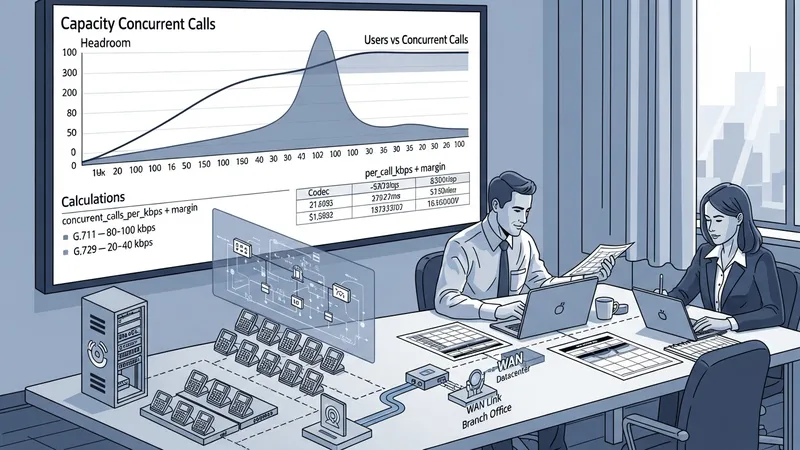
Bandwidth estimation for VoIP depends on codec choices and overhead. Common codecs such as G.711 may use around 80–100 kbps per concurrent call including overhead, while compressed codecs like G.729 can reduce that footprint substantially. U.S. network engineers often calculate total required bandwidth by multiplying concurrent call estimates by per-call bandwidth and adding a margin for other traffic, then configure QoS policies to prioritize voice packets across local networks and WAN links.
Redundancy and failover strategies help maintain service continuity. Typical patterns include multiple Internet service providers, alternate SIP trunks with different carriers, and geographically separate cloud regions for hosted control planes. In the United States, organizations sometimes leverage diverse carrier access to mitigate region-specific outages; planning also addresses automatic failover of call routing and restoration procedures to minimize operational disruption.
Administration scale considerations include centralized provisioning, license management, and role-based administration. As user counts grow, automated provisioning via directory synchronization or bulk import tools can reduce administrative overhead in U.S. environments. Monitoring tools that aggregate quality metrics across locations may be adopted to detect trends and inform capacity upgrades before service degradation occurs.