
B2B Lead Generation Automation: Key Processes And Workflow Fundamentals

Lead Scoring, Qualification Workflows, and Operational Rules in South Korea
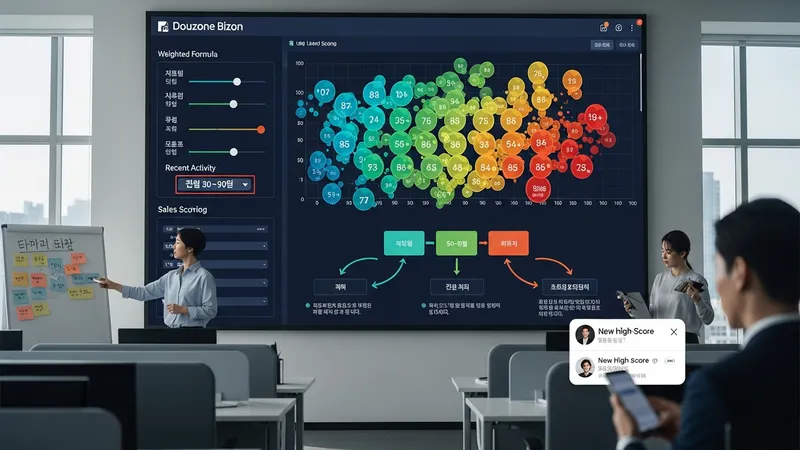
Lead scoring frameworks generally combine profile attributes (industry, company size, role) with engagement signals (content downloads, meeting requests, email responses). Scores may be additive or weighted, and many firms in South Korea adopt incremental refinements after observing which factors correlate with actual sales progress. Typical scoring practices include assigning higher weight to direct requests for contact and to activity within the past 30–90 days rather than to older signals.
Qualification workflows often define explicit thresholds and subsequent actions: a mid-range score may trigger a nurture sequence, while a higher threshold may prompt a handoff to sales. In practice, teams configure routing rules in CRM systems—domestic providers like Douzone Bizon or international platforms with Korean interfaces—to move records between lists or assign tasks automatically. Documentation of threshold rationale and regular review cycles are common to prevent drift between marketing and sales expectations.
Operational rules that support scoring and qualification frequently include checks for data completeness, duplication, and recent activity. Automation may flag incomplete records for enrichment or set rules to deduplicate by company and email. In Korea, enrichment sources sometimes include local business registries or commercially available datasets that supply firmographic details; these feeds are usually integrated with care to respect privacy and licensing constraints.
Cost and resourcing considerations can influence how sophisticated scoring becomes. Smaller B2B teams in South Korea often begin with simple point models that are manageable within existing CRM tools, while larger organizations may invest in predictive scoring that leverages broader datasets and machine learning. Typical ongoing costs for software and integration work may vary widely depending on scale and vendor selection, and are often reviewed during annual planning cycles.