
Autonomous Warehouse Robots: How Robotics Is Transforming Storage And Fulfillment Operations

Operational impacts on storage and fulfillment processes in United States facilities
Automation can modify process flows commonly seen in U.S. warehouses by changing where picking, packing, and staging occur. For example, bringing inventory to stationary pickers via mobile robots may reduce picker walking distances and concentrate human tasks around quality control. These shifts often result in reconfigured work zones and updated safety paths. In many U.S. operations, pilot implementations are used to validate flow changes and to collect baseline data on order cycle times before scaling.
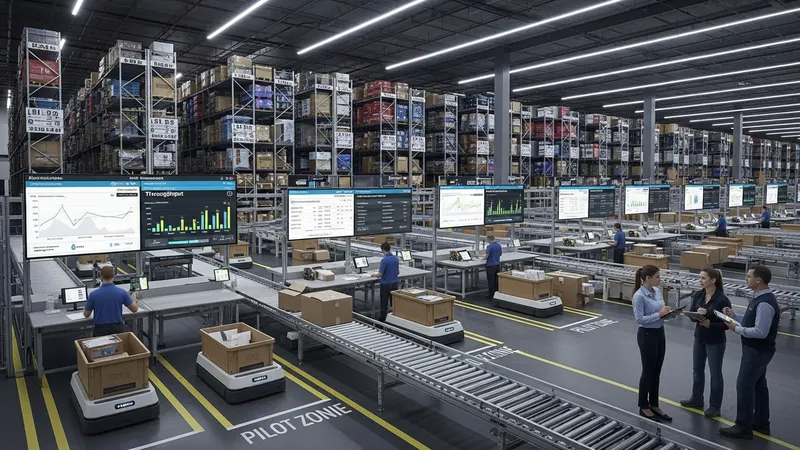
Throughput and cycle-time considerations often motivate deployments in high-volume U.S. distribution centers. Robots that shorten travel time between storage and packing can increase orders completed per shift, particularly for repetitive, high-density tasks. However, actual gains typically depend on alignment with inventory profiles, order mix, and peak demand patterns common in U.S. retail and e-commerce sectors. Operators typically analyze seasonal peaks to size fleets and software scheduling.
Human roles commonly evolve alongside robotics deployments rather than being eliminated outright. In U.S. facilities, personnel may shift toward exception handling, system supervision, maintenance, and tasks requiring fine motor skills or judgment. Training programs and updated job descriptions often accompany technology adoption. Workforce engagement and clear communication about role changes are frequently reported as factors that influence operational acceptance and long-term stability of robotic systems.
Metrics and KPIs used to monitor impact usually include items per hour, order accuracy, mean time between failures, and energy consumption. Facilities in the United States may combine these operational KPIs with safety indicators such as near-miss reports and incident rates to maintain an integrated view of performance. Continuous monitoring helps refine routing rules, charging cycles, and task allocation within fleets to better match operational objectives.