
Autonomous Warehouse Robots: How Robotics Is Transforming Storage And Fulfillment Operations

Safety, standards, and regulatory considerations for autonomous warehouse robots in the United States
Safety in U.S. warehouse robotics deployments frequently references federal guidance and industry standards. The Occupational Safety and Health Administration (OSHA) provides workplace safety frameworks that apply to facilities integrating automated equipment (OSHA). Industry standards and practices from groups such as the Robotics Industries Association (RIA) describe safety zones, guarding, and collaborative operation guidelines (Robotics Industries Association). Facilities commonly map these recommendations to site-specific risk assessments prior to operation.
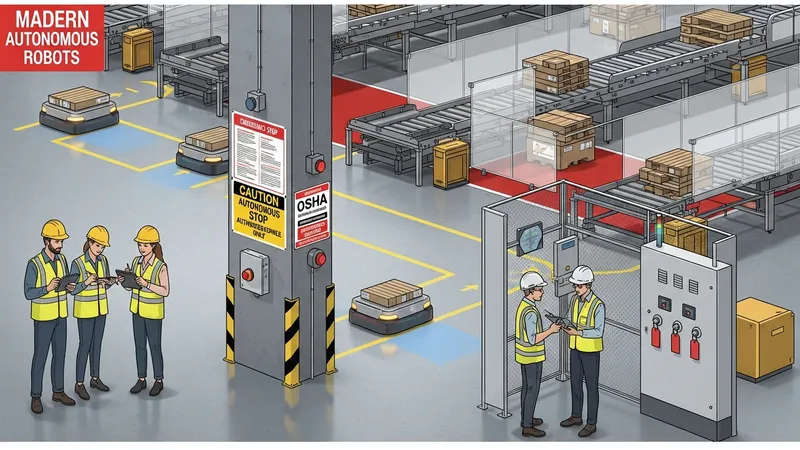
Designing human-robot interaction areas often involves zoning, signage, and emergency stop protocols that reflect U.S. workplace safety expectations. Typical measures include physical barriers for high-speed robotic operations, sensor-based slow-down zones near human stations, and clear training on emergency procedures. Organizations may also implement certified lockout/tagout procedures and documented task analyses to comply with workplace safety requirements.
Regulatory considerations can include local building codes, fire safety rules, and electrical standards that affect infrastructure changes when integrating robots. For instance, adding centralized charging stations or modifying racking to accommodate robotic navigation may require review by local authorities in the United States. Facilities often consult with legal and safety teams to confirm compliance with applicable codes and to document changes for audits.
Performance validation and commissioning processes commonly used in the United States include staged testing, operator training, and the establishment of maintenance logs. Commissioning may involve cross-functional reviews between operations, IT, and safety teams to ensure agreed behaviors and fail-safe responses. These preparatory steps are typically used to reduce operational disruption and to document adherence to safety standards and best practices.