
Automobiles: Emerging Innovations Shaping The Future Of Transportation

Electric and Hybrid Technology in Emerging Automobiles
Electric and hybrid automotive technologies are evolving, with manufacturers investing in battery advancements, charging infrastructure, and energy management systems. Electric vehicles, which are powered entirely by rechargeable batteries, can present alternatives to traditional fuel-driven engines, while hybrid models combine internal combustion engines with electric systems for optimized fuel consumption and emissions control. The performance and range of these vehicles may depend on the type of battery and support network available.
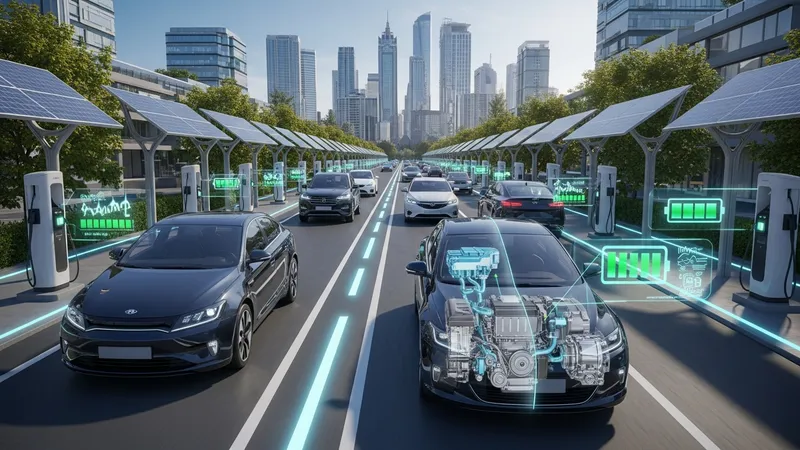
Hybrid drivetrains allow for variable operation modes, enabling vehicles to switch between electric and conventional power sources depending on driving conditions. This flexibility can support urban travel efficiency and reduce overall fuel use. Plug-in hybrids offer the additional benefit of externally charging their batteries, often extending the electric-only range when compared to standard hybrids.
Ongoing research into battery chemistry and energy density can influence the production and adoption rate of electric vehicles. Improvements in lithium-ion technology, as well as emerging alternatives such as solid-state batteries, are topics of focus for reducing charging times and extending operational lifespan. Adoption patterns are closely linked to regulatory support, infrastructure rollout, and technological milestones.
Charging infrastructure development is pivotal for widespread acceptance of electric vehicles. This typically involves partnerships between automotive manufacturers, energy providers, and policy-making organizations. The integration of fast-charging networks, along with home and workplace charging solutions, may support increased user confidence and operational practicality. Advancements in this domain are covered further in subsequent sections.