
Automobiles: Emerging Innovations Shaping The Future Of Transportation

Integrated Smart Mobility Solutions in Vehicle Development
Smart mobility encompasses the adoption of technologies enabling seamless travel, real-time navigation, and adaptive route planning. Vehicles equipped with global positioning and communication modules can utilize data from traffic management systems, public transport integration, and digital mapping services. This synergy supports more informed decision-making for drivers and transport planners, helping to ease congestion and optimize travel efficiency.
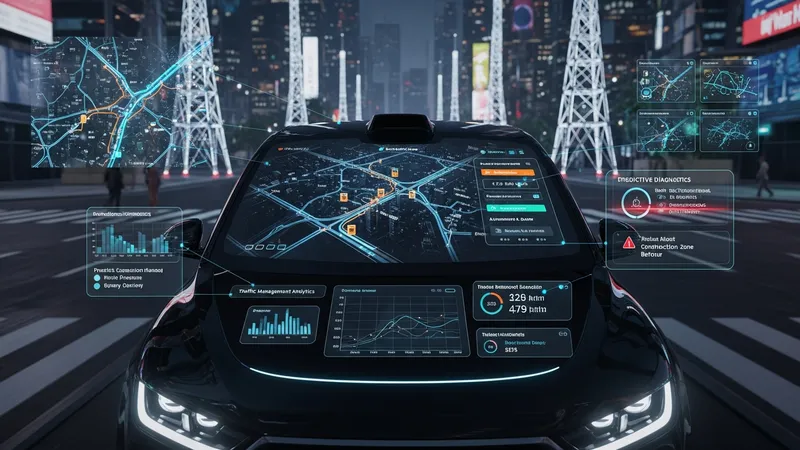
Telematics platforms are central to modern connected vehicles, offering services such as usage tracking, predictive diagnostics, and emergency response notifications. These systems may enable fleet operators to monitor vehicle status and optimize operational routines. Connected vehicle solutions can also facilitate the exchange of hazard alerts and real-time information sharing between vehicles and roadway infrastructure.
Urban mobility integration involves linking automobiles with shared transportation options and multimodal logistics networks. Features like ride-sharing platforms, integrated ticketing, and real-time arrival predictions may encourage combined usage of private and public transport systems. This approach is intended to reduce congestion and provide flexible journey planning for users in complex urban environments.
Efforts to standardize data communication protocols and secure network infrastructure are ongoing within the automotive industry. Interoperability between devices and platforms is a primary consideration, ensuring consistent operation regardless of vehicle brand or location. Such frameworks may contribute to safety, efficiency, and system reliability across diverse real-world contexts.