
Automobiles: Emerging Innovations Shaping The Future Of Transportation

Modern automobiles are witnessing rapid changes, driven by research and technology developments targeting safety, efficiency, and environmental sustainability. This progression involves integrating digital systems, alternative powertrains, autonomous capabilities, and enhanced connectivity, each influencing daily travel, logistics, and industry standards. As these features progress, vehicles are increasingly designed to interact with infrastructure and users, shifting the focus from simple mechanical transport to interconnected mobility solutions.
Recent trends in vehicle technology often include advancements related to energy efficiency, intelligent systems, and digital integration. These updates are shaped by consumer expectations, regulatory measures, and manufacturer-led research into innovative systems. Changes in power sources, such as the implementation of electric motors, and the rise of automated driving functions, are transforming vehicles and how they interact within modern transportation networks.
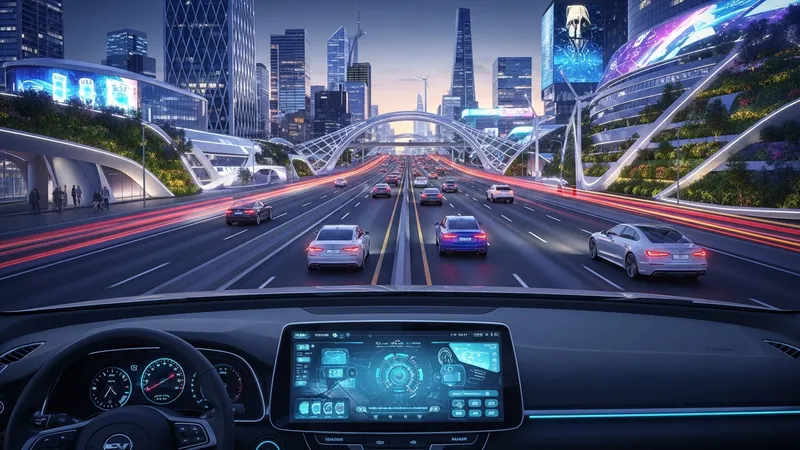
- Electric vehicles (EVs): These use battery-powered electric drivetrains, emitting no tailpipe gases during operation. EVs may require less routine maintenance and are commonly produced by manufacturers like Tesla and Nissan. Pricing may range from approximately $30,000 to $100,000, subject to model and features.
- Advanced Driver Assistance Systems (ADAS): These platforms utilize sensors, cameras, and software to assist with tasks such as adaptive cruise control, lane keeping, and automated braking. Examples include Mobileye and Continental solutions, often included in new vehicle models at an additional cost of several thousand dollars, varying by manufacturer.
- Connected vehicle platforms: Vehicles can exchange data with infrastructure and other vehicles, supporting safety and efficiency. Solutions like Geotab and Verizon Connect enable fleet management, remote diagnostics, and navigation updates. Implementation costs depend on hardware integration and subscription services.
Electric vehicles (EVs) represent a shift towards lower-emission technology in automotive engineering. EVs typically function through rechargeable batteries rather than internal combustion engines, influencing charging infrastructure development and energy consumption patterns. Widely referenced as an option for reducing urban emissions, EVs are still subject to challenges such as battery range, charging times, and lifecycle environmental impact.
Advanced Driver Assistance Systems (ADAS) have become standard in many new automobiles. These systems can support drivers with functions such as automatic emergency braking and lane-keeping. The implementation of ADAS may contribute to accident avoidance, though the effectiveness often depends on regular calibration, real-time data accuracy, and adaptive integration with existing road environments.
Connected vehicle platforms foster real-time data exchange, improving navigation accuracy, predictive maintenance, and remote monitoring of vehicle performance. Automobiles equipped with these technologies can benefit from ongoing updates and enhanced situational awareness. However, consistent connectivity coverage and cybersecurity protection remain important factors for successful deployment.
As automobile innovation progresses, multiple paths emerge towards safer, more responsive, and more environmentally considerate transportation. These developments may offer incremental improvements to mobility network resilience and user convenience. The next sections examine practical components and considerations in more detail.