
Automation In Business: Key Processes And Applications Explained

Infrastructure and Integration Considerations for Automation Solutions
Integrating automation tools with existing IT infrastructure can represent a significant undertaking for South Korean businesses. Compatibility with legacy systems, data security frameworks, and network capabilities may influence the choice and scope of automation projects. In some cases, phased implementations are preferred to balance operational continuity with modernization efforts.
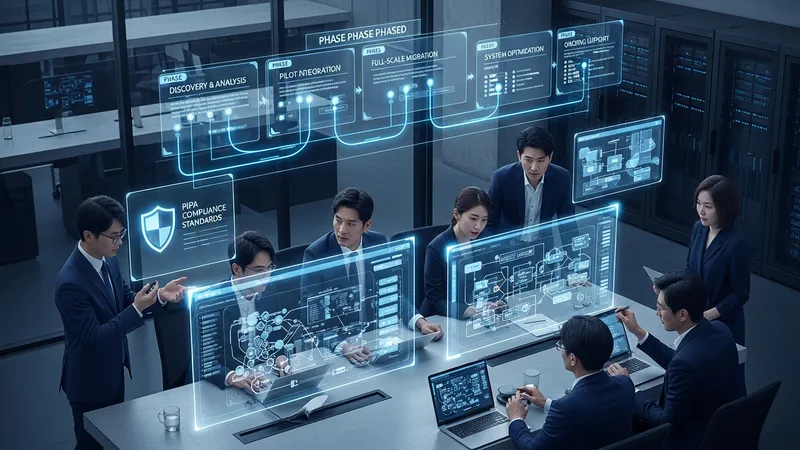
Data management practices are critical, as many automation technologies depend on the availability of clean and structured data. South Korean enterprises often apply data governance policies consistent with the Personal Information Protection Act (PIPA), which affects data collection, processing, and storage associated with automation initiatives.
Cloud computing adoption can support automation scalability and flexibility, with many South Korean companies using domestic cloud service providers that comply with local data residency requirements. Cloud platforms often offer integrated automation modules or API connectivity that facilitate workflow orchestration across different business functions.
Training and change management also figure prominently, as workforce adaptation to automated systems can influence project success. Companies may invest in educating employees about system interfaces and process changes to ensure smooth adoption without disrupting ongoing operations. Collaborative approaches to integration may be observed where automation complements human roles.