
Automation In Business: Key Processes And Applications Explained

Operational Processes Commonly Automated in South Korean Enterprises
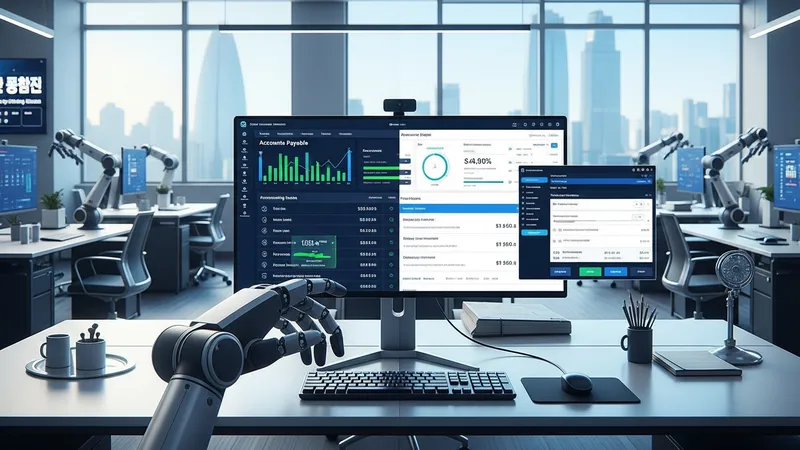
South Korean businesses often automate finance-related processes such as accounts payable/receivable and invoice processing. These operations benefit from RPA tools that can handle repetitive data transactions with regulated accuracy. Automation in financial workflows may assist in compliance reporting and reduce manual errors, although monitoring remains necessary for audit purposes.
Supply chain management may also involve substantial automation elements, including demand forecasting, inventory management, and logistics coordination. AI-powered analytics may provide predictive insights, while automated warehouse systems facilitate stock handling. In sectors such as electronics manufacturing, these applications can improve responsiveness and reduce lead times.
Human resource management processes such as payroll, recruitment screening, and employee data management are increasingly supported by automated systems. These can standardize procedural tasks and improve data consistency across organizational units. South Korean labor regulations may require careful configuration to ensure compliance with reporting and privacy requirements.
Customer service automation includes chatbots and interactive voice response (IVR) systems, which can manage high volumes of inquiries. Businesses may use these tools to provide initial responses or collect information before human intervention. Adaptation to language and cultural context is often a factor in the design and deployment of such systems in South Korea.