
Automation In Business: Key Processes And Applications Explained

Emerging Trends and Industry-Specific Automation Applications
South Korea’s manufacturing sector continues to evolve with smart factory technologies that enable high levels of automation integration. IoT-enabled machinery, robotics, and AI analytics are increasingly used to create environments capable of adaptive production scheduling and real-time quality monitoring. Such developments often align with national innovation strategies promoting Industry 4.0 principles.
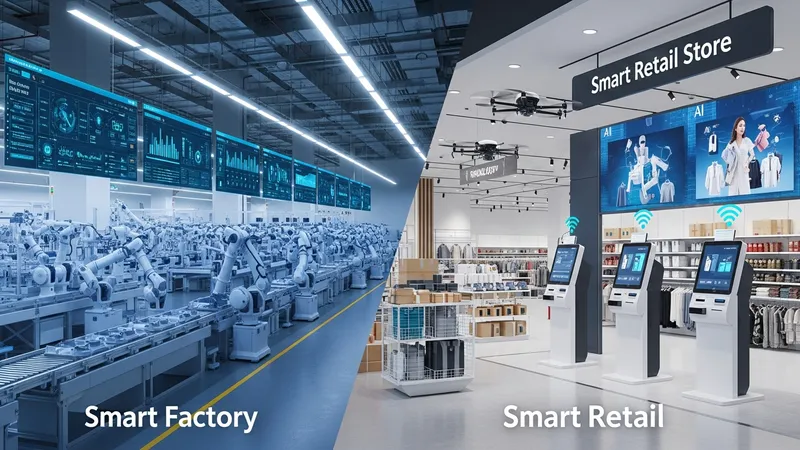
In the retail industry, automation may involve inventory tracking, point-of-sale systems with AI analytics, and personalized customer engagement tools. The use of mobile payment technologies and automated logistics for e-commerce fulfillment are emerging trends that reflect South Korea’s digital infrastructure capabilities.
The financial services sector employs automation in areas like fraud detection, algorithmic trading, and customer onboarding processes facilitated by AI and RPA. Regulatory frameworks in South Korea shape the deployment of these technologies, with attention to compliance, data privacy, and risk management protocols.
Healthcare administration in South Korea incorporates automation mainly for scheduling, record management, and administrative tasks. While clinical decision-making remains predominantly human-led, these supporting automated functions may increase efficiency in hospital operations and patient management systems.