
Air Conditioners: Key Factors To Consider When Selecting A System

Efficiency Standards and Regulatory Considerations in the United States
Air conditioners available in the United States are subject to a range of efficiency and performance standards outlined by federal and sometimes state agencies. The United States Department of Energy (DOE) regulates minimum efficiency thresholds, most notably through SEER (Seasonal Energy Efficiency Ratio) ratings, which indicate how efficiently a system converts electricity into cooling over a season. Equipment with higher SEER values may reduce operational energy use when compared with basic models, though upfront investment can differ.
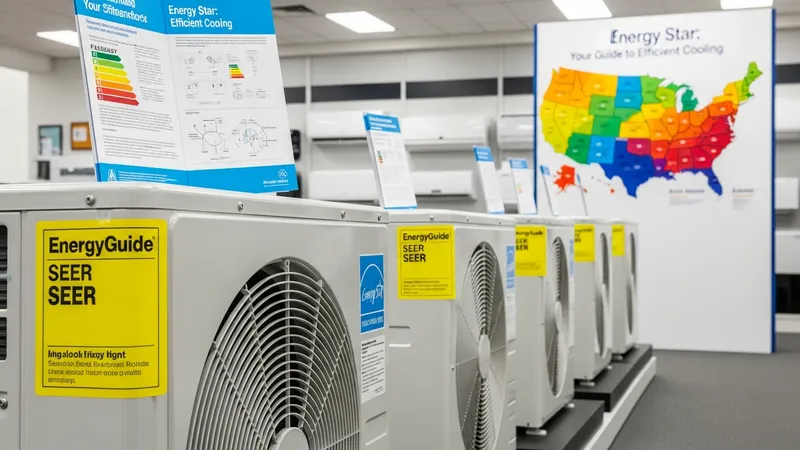
Manufacturers must ensure their systems comply with these federal minimums, and many products display their energy efficiency ratings on standardized yellow EnergyGuide labels. In some states or municipalities, additional requirements may exist, sometimes offering financial incentives or rebates for higher-efficiency selections. It is common for central air conditioners in the United States to require minimum SEER values between 14 and 15, depending on the region’s climate zone as determined by national guidelines.
The Environmental Protection Agency (EPA) further supports voluntary efficiency initiatives through programs such as ENERGY STAR, which label air conditioners that meet or surpass certain performance and efficiency metrics. Although voluntary, ENERGY STAR-certified equipment may be recognized by utilities or government agencies as eligible for cost savings or rebates, making efficiency a practical consideration for many buyers.
Regulatory requirements may also address refrigerant use, installation standards, and data reporting, all aimed at promoting safety, environmental protection, and consumer transparency. Being familiar with both national and local standards can inform the air conditioner selection process, helping users understand the compliance and performance characteristics tied to their choices.