
Air Conditioners: Key Factors To Consider When Selecting A System

Air Conditioner Types and Suitability for United States Settings
Air conditioners are offered in various types to meet the diverse needs of United States users. Central air conditioning systems remain prevalent in many homes and commercial buildings, featuring either split or packaged configurations dependent on factors such as building layout and available ductwork. Central systems often provide uniform cooling throughout larger spaces, and they integrate with existing ventilation infrastructures.
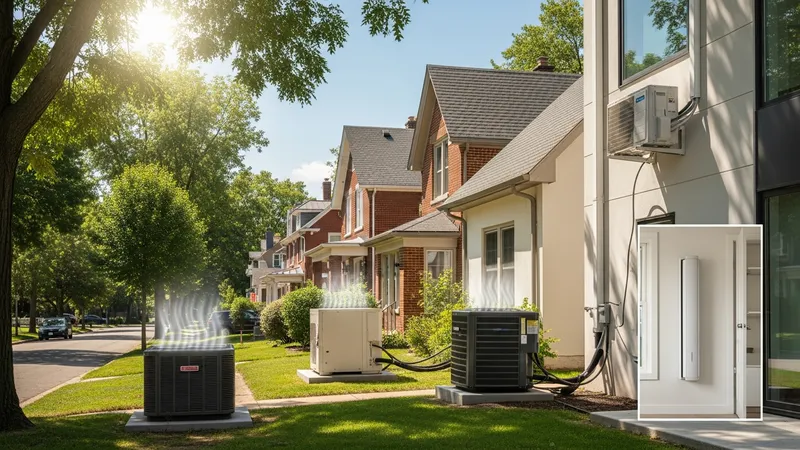
Ductless mini-split systems have become increasingly popular for both retrofit applications and new construction where duct installation may be impractical or cost-prohibitive. They usually consist of an external compressor and one or more interior air handlers connected via refrigerant lines. These systems may offer zoning flexibility, allowing users to adjust temperatures in specific rooms or zones according to occupancy and preference.
Window and portable air conditioners can be suitable for smaller spaces or scenarios that do not require whole-building solutions. These units are frequently deployed in individual offices, single rooms, or temporary settings. Installation generally involves minimal modification to the structure, providing a localized cooling effect where central or ductless options might not be practical.
The most appropriate air conditioner type for a given United States location is typically selected based on existing infrastructure, size of the conditioned space, and anticipated use patterns. Energy codes and utility incentive programs may further influence decision-making by encouraging certain technologies or efficiency features that align with wider energy management objectives.