
Air Conditioners: Key Factors To Consider When Selecting A System

Installation and Operational Considerations for United States Applications
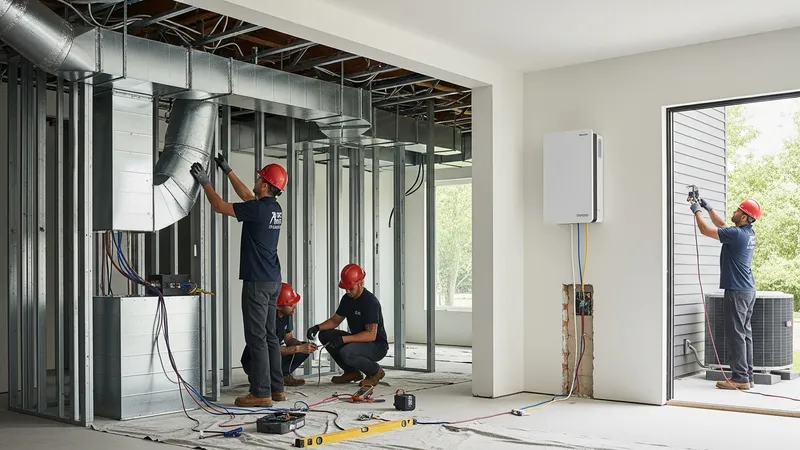
The installation process for air conditioning systems in the United States often varies according to system type, building age, and structural complexities. Central air conditioning systems, for example, typically require integration with ductwork and electrical systems, which may involve coordination with licensed HVAC professionals. The presence of existing duct infrastructure can influence installation timelines and overall project cost.
Ductless mini-split systems may offer simplified installation procedures, as they do not require air ducts. These systems use refrigerant lines routed through small wall openings, which could reduce construction impact and facilitate installation in buildings where ductwork would be impractical. The modular nature of mini-split systems often allows for staged installation or future expandability as needs evolve.
Operational aspects such as routine maintenance and filter replacement are important across all air conditioner types. Regular service can contribute to optimal system efficiency and may extend equipment life. In commercial settings, the use of building automation systems or smart thermostats can further optimize energy consumption patterns by adapting cooling levels to occupancy or external temperature changes.
Noise levels, power requirements, and air quality features (for example, integrated filtration) may also be relevant considerations, particularly in shared or sensitive environments such as offices or healthcare facilities. These elements can influence occupant comfort and satisfaction, and may be viewed alongside core factors such as capacity, efficiency, and cost when choosing an air conditioner in the United States.