
AI In Manufacturing: Understanding Applications And Industry Use Cases

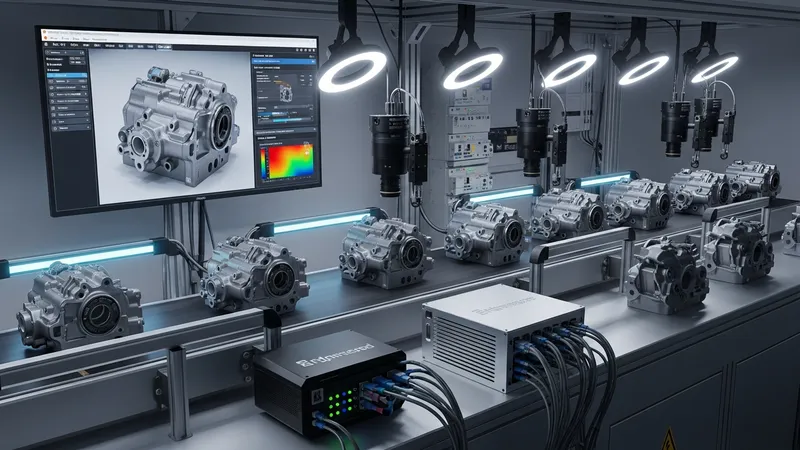
AI in Manufacturing: Visual Quality Inspection and Process Automation
Image-based inspection systems typically capture high-resolution images under controlled lighting and use convolutional neural networks or classical computer vision pipelines to identify defects. Data collection aims to sample the range of normal variation and known defects; annotation quality directly affects model accuracy. When defects are rare, synthetic augmentation and staged defect introduction can help generate training examples. Edge deployment is common for latency-sensitive lines: models run on embedded accelerators or small form-factor inference devices and return pass/fail decisions that integrate with line PLCs or supervisory systems.
Model robustness is a common challenge: variations in lighting, camera angle, or part orientation may produce spurious alerts. Techniques like multi-view capture, normalization of images, and continuous monitoring of false-positive rates are used to maintain performance. Human review workflows are often retained for borderline cases to ensure production quality while models improve. Periodic revalidation and scheduled retraining are typical, especially after a supplier change, tooling replacement, or process adjustment that affects the part appearance.
Process automation that follows inspection often includes routing rejected parts to rework stations, adjusting machine parameters, or triggering additional inspection steps. Integration with programmable logic controllers and manufacturing execution systems (MES) requires mapping model outputs to deterministic control actions and safety checks. Considerations include defining tolerances for automated interventions, ensuring traceability for rejected units, and planning rollback procedures when models are updated to avoid unintended production impacts.
Insider tips include starting inspections on stable, high-throughput lines where the cost of rework is measurable, and piloting systems in parallel with human inspectors to build confidence. Teams may adopt ensemble approaches—combining rule-based checks with ML classifiers—to capture both known defect signatures and novel anomalies. Clear logging of model decisions and a protocol for investigating recurring false alerts can facilitate continuous improvement and alignment with quality management processes.