
Virtual Fitting Rooms: How Digital Try-On Technology Works For Online Shoppers

3D Rendering and Cosmetic Color Simulation in Virtual Try-On
3D rendering for apparel and cosmetics uses geometric models and material definitions to simulate appearance on a user’s image. For clothing, mesh models and cloth-simulation shaders can represent drape and folds; for cosmetics, physically based rendering (PBR) and subsurface scattering techniques help depict how pigments interact with skin. Rendering pipelines often estimate scene illumination and camera parameters to blend virtual materials with the user’s photo. These steps can improve realism but typically increase compute needs compared with flat overlays.
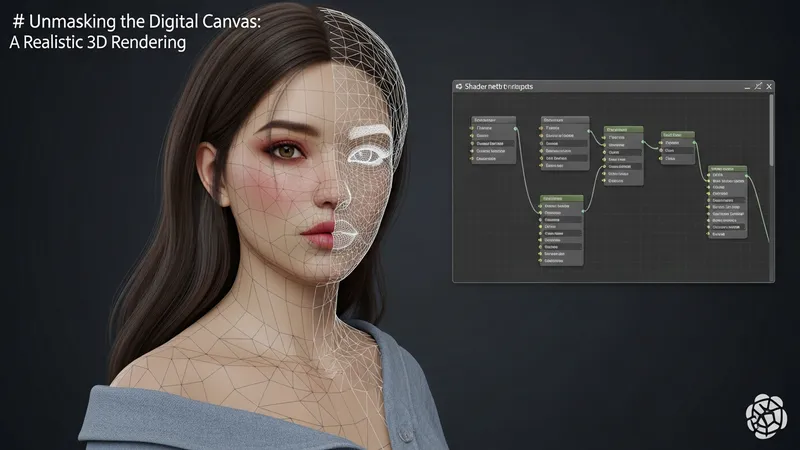
Color fidelity and cross-device consistency are notable challenges for cosmetic simulation. Screen calibration, device color gamut, and viewing conditions (brightness and ambient lighting) affect how colors appear to users. Some solutions implement color-management workflows that map virtual colors through standard color spaces and provide reference swatches for more consistent expectations. Even with such measures, perceived color can still vary by device, so many teams frame color simulations as indicative rather than exact matches.
Skin tone mapping and shade selection require careful handling to avoid bias and to present inclusive options. Accurate simulation often benefits from models that account for a range of undertones and reflectance properties. When systems provide recommended shades, they frequently present multiple nearby options and explain that shade appearance may vary with lighting and camera characteristics. Accessibility considerations also arise: textural and contrast choices in UI help users interpret simulations without relying solely on color perception.
Performance optimization and asset management are practical aspects of 3D rendering deployments. Developers commonly use simplified meshes, baked lighting, and compressed textures to reduce load times and runtime costs. Progressive enhancement strategies may present a simpler preview on lower-end devices while enabling richer rendering on capable hardware. From an operational perspective, maintaining a library of accurate product materials and synchronizing those with inventory metadata helps ensure that simulated items correspond closely to available SKUs.