
Tax Optimization Strategies: Approaches For Efficient Fiscal Management

Legal and Regulatory Environment for Tax Optimization Strategies
Tax optimization strategies in Germany are governed by a set of legal frameworks designed to distinguish between lawful planning and evasion. The German Income Tax Act (“Einkommensteuergesetz”) and associated regulations provide detailed definitions of what qualifies as a valid deduction, allowance, or credit. Amendments to these regulations can occur each fiscal year, often adjusting thresholds or clarifying reporting standards.
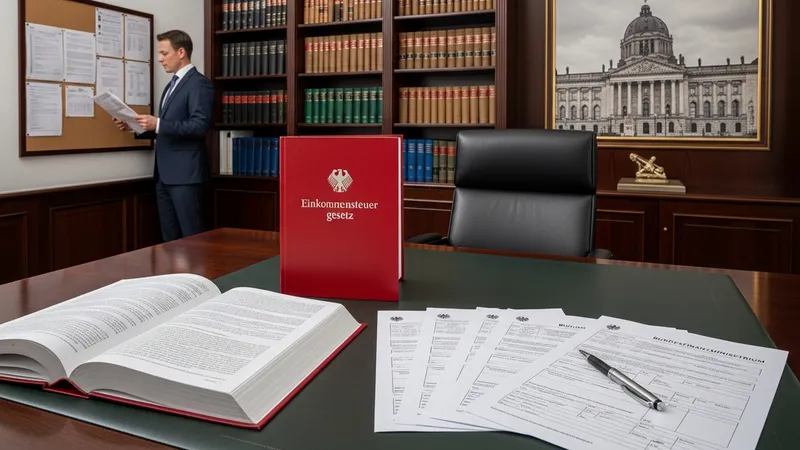
The Bundesfinanzministerium (Federal Ministry of Finance) regularly issues updates and bulletins for taxpayers, outlining permissible categories of deductible expenses and publishing official forms. Following these publications is a recommended practice for those seeking to remain compliant with current law. German courts also provide precedent-setting judgments that may influence interpretations in ambiguous cases.
Audits and reviews are part of routine enforcement. The tax authority has the right to request additional documentation, examine the intent behind certain claims, or issue clarifications concerning the application of deducible categories. These checks underscore the importance of accurate and transparent record keeping in any tax optimization effort.
Cross-border considerations have become increasingly relevant as more individuals and businesses transact internationally. Germany participates in information-sharing agreements with other jurisdictions as part of anti-avoidance and transparency initiatives, which directly influence the design and application of tax strategies within the country.