
Tax Optimization Strategies: Approaches For Efficient Fiscal Management

Reporting, Documentation, and Compliance in Germany
Proper reporting and documentation play a significant role in successful application of tax optimization strategies in Germany. Taxpayers are generally expected to maintain accurate and thorough records for all claimed deductions and credits. The German tax authority (Finanzamt) may require supporting documentation for expenses such as travel costs, educational investments, and pension contributions during routine reviews or audits.
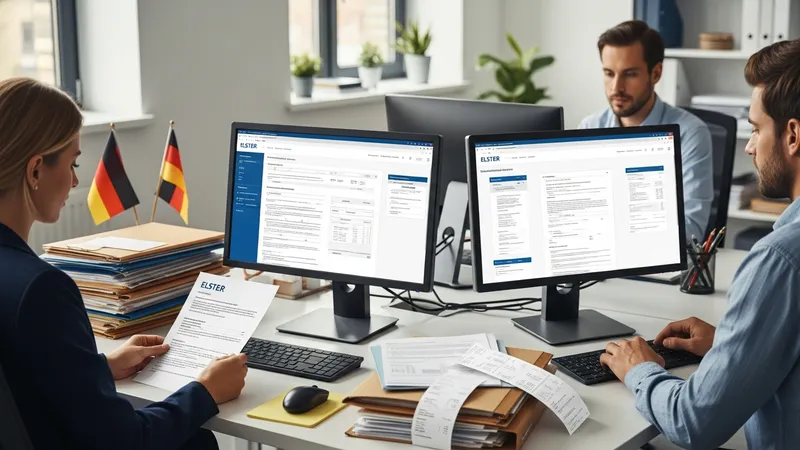
Electronic platforms like ELSTER (ELSTER) have become the standard method for submitting tax returns and documentation in Germany. These digital systems are designed to streamline data input and help individuals comply with evolving tax law requirements. Users often find detailed guidance on the website concerning the entry of standard and itemized deduction categories.
There are specific compliance rules that limit how, when, and to what extent certain expenditures qualify as deductions. For example, only expenses directly related to income generation or that meet clearly defined “special expense” criteria are generally deductible. The use of official forms and detailed itemization is typically necessary to validate each claimed amount.
For individuals and businesses unsure about the correct application of specific allowances or deductions, consultation with professional tax advisors or reliance on information from official resources is common in Germany. This emphasis on accuracy and compliance reflects the broader importance of transparency in the German tax system and may help prevent costly penalties or inaccuracies in future filings.