
SUV Financing: Understanding Loan Terms, Interest Rates, And Fees

Loan term structures and repayment patterns for SUV financing
Loan term structure refers to the duration and payment rhythm of a vehicle loan and can significantly affect both monthly obligation and total interest. Common term lengths often span short (e.g., three years) to longer (e.g., six or more years) timeframes; shorter durations typically reduce cumulative interest while increasing monthly payments. Some agreements may use equal monthly payments under a standard amortization schedule, while others include deferred or balloon elements that shift principal to later periods. Reviewing prospective amortization tables may help illustrate how each payment reduces principal and distributes interest over time.
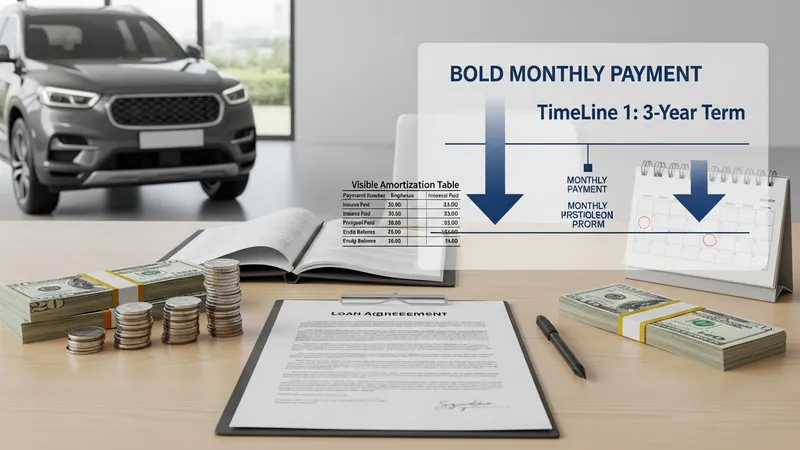
Amortization method influences the speed at which principal balance declines and how much interest accrues early in the loan. Standard amortization applies a larger share of early payments to interest, with principal reduction accelerating later; alternative approaches such as interest-only periods delay principal repayment, increasing later obligations. Borrowers may encounter options to make extra payments that reduce principal faster, but contract terms about prepayment may vary. Carefully comparing how different schedules affect long-term cost can be instructive for matching repayment capacity to term selection.
Term length decisions often hinge on budget and long-term cost trade-offs. Extending the repayment period can lower monthly burdens and enable access to higher-priced vehicles within a given monthly budget, though it can increase total interest paid and the likelihood of negative equity if vehicle depreciation outpaces principal reduction. Conversely, shorter terms may produce higher monthly payments but can reduce interest outlay and shorten exposure to financing costs. Assessing these trade-offs in light of personal cash flow and intended ownership horizon can clarify which structures may be most consistent with financial priorities.
Practical considerations include reviewing whether a loan allows refinancing, which can adjust term length and rate if market conditions or credit profile change. Some lenders permit payment holidays or modification under specified circumstances, while others include penalties for early payoff. Insurers, warranty coverage, and maintenance responsibilities may interact with term choices when considering total cost over ownership. Keeping documentation that illustrates term impacts, such as sample amortization schedules, can support more informed comparison across providers.