
Structural Drying: How Rapid Technology Accelerates Moisture Removal

Key Equipment Features in Structural Drying Technology
Air movement devices are a foundational tool in the structural drying process. Centrifugal and axial air movers are commonly utilized to circulate air across wet surfaces, which can encourage efficient evaporation. The configuration and positioning of these devices are determined by the shape and size of affected spaces, as well as the specific materials that need to be dried. Proper air flow distribution is often important for consistent results throughout the area.
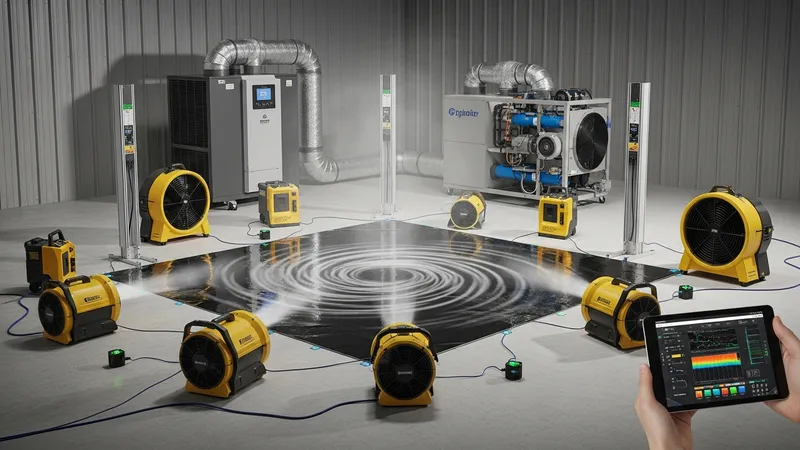
Dehumidification systems play a critical role by removing moisture from the air that has evaporated from surfaces. Refrigerant dehumidifiers operate by cooling air and condensing water vapor, while desiccant variants use absorbent materials to extract humidity even in lower temperature or low-moisture environments. The type of dehumidifier selected may impact both the drying speed and energy consumption of the project.
Moisture detection and measurement are central to ensuring a thorough drying process. Non-invasive moisture meters, such as those using radio frequency or electrical resistance, provide readings without causing damage to building materials. Infrared cameras are sometimes employed to locate moisture within walls or floors, supplementing manual detection and supporting the documentation of drying progress. Accurate monitoring helps confirm when drying goals are reached.
Advanced control units and sensors can automate parts of the structural drying process. These systems track environmental data such as relative humidity, temperature, and moisture content in real time. Some setups allow for remote monitoring, alerting operators to any need for equipment adjustments. This data-driven approach typically results in better oversight and can contribute to prompt adaptations as drying conditions change.