
Spa Sauna Benefits: How Heat Sessions May Support Stress Relief

Types of Heat Environments and How They Relate to Stress-Related Comfort
Different heat environments commonly encountered in spa settings tend to be grouped by humidity and heating method, and these differences shape how a session feels. Dry saunas usually rely on heated air and hot surfaces, producing a sensation of intense warmth with low humidity. Steam rooms provide moist heat where humidity can approach saturation, leading to a dense, enveloping warmth at lower air temperatures. Infrared systems warm the body through radiant energy while keeping ambient air cooler. Each environment may influence breathing comfort, skin sensation, and perceived ease of relaxation in distinct ways; individuals often choose an environment based on these sensory preferences rather than on claims of physiological impact.
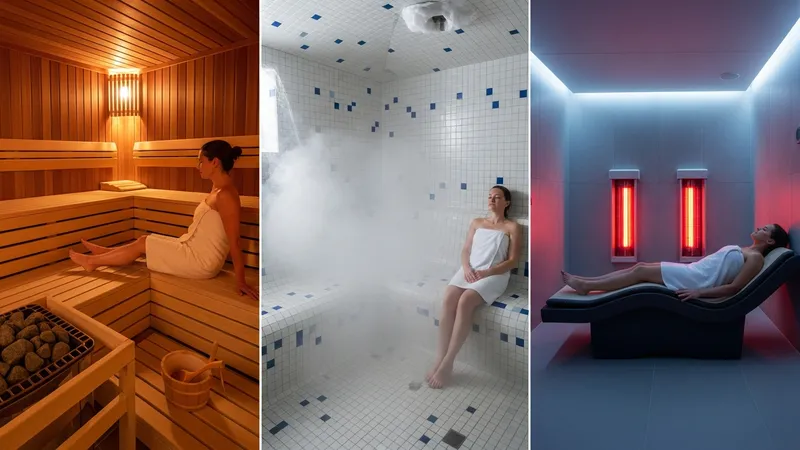
Practically, facility operators often describe session parameters that align with each environment. Dry saunas may operate at higher temperatures with bench seating at varying heights to let users self-adjust exposure. Steam rooms emphasise seating and non-slip surfaces because of the moisture. Infrared rooms may feature lower air temperatures and a focus on direct body-warming elements. These structural distinctions influence how long users might remain comfortable and whether they prefer brief cycles with multiple repeats or a single sustained period. Such structural choices are framed as options rather than prescriptions, given variable personal responses.
Environmental cues beyond temperature and humidity also affect perceived stress relief. Lighting levels, acoustic insulation, and scent presence can moderate sensory load and help some users disengage from external concerns. Facilities sometimes use subtle design elements—muted colours, natural materials, or quiet seating adjacent to the heat space—to support post-session rest. Social norms in shared rooms, like requests for silence or limited conversation, can alter how restorative a session feels. These contextual factors typically shape subjective outcomes even when physical parameters are similar across venues.
When comparing modalities, typical trade-offs are often framed around comfort and tolerance: dry saunas can feel more intense at high temperatures, steam rooms may feel oppressive to those sensitive to humidity, and infrared units can offer a milder ambient sensation with localized radiant warmth. Users commonly consider these differences when selecting an environment, and facilities present them as options to fit varied preferences. Such comparative observations are descriptive and meant to help readers understand distinctions rather than to promote any single choice.