
Solar Installation Services: Key Steps And Considerations For Residential And Commercial Projects

Installation Procedures and Quality Standards for Solar Installation Services
During installation, qualified professionals typically mount solar panels and associated hardware to the roof or designated area. In the United Kingdom, installations often comply with best practices outlined by the Microgeneration Certification Scheme (MCS) and the Institution of Engineering and Technology (IET) wiring regulations. Installers may use frameworks or brackets suited to specific roof types, ensuring weather resistance and structural security.
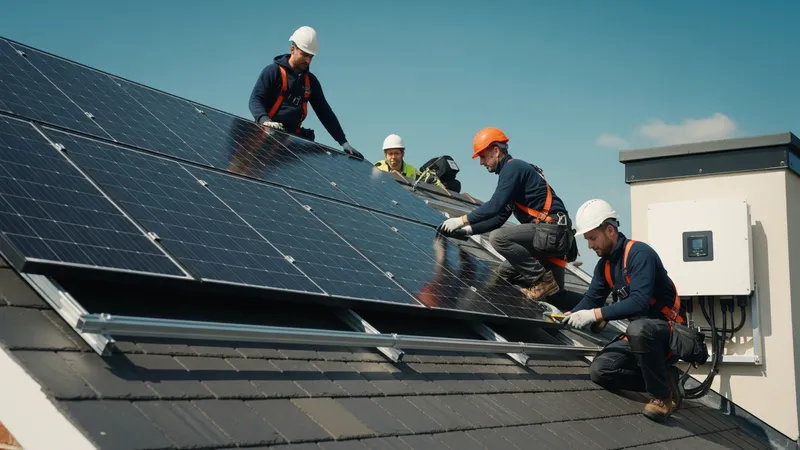
The electrical integration phase involves wiring the panels to an inverter, which converts the collected DC electricity to AC for use in homes and businesses. Installers also connect the inverter and all related monitoring equipment. For safety, all electrical work in the United Kingdom is required to follow Part P of the Building Regulations and may only be conducted by certified professionals.
Quality assurance checks are a routine part of the installation process. Service providers may test connections, verify system output against design expectations, and confirm safe integration with the property’s existing electrical system. The commissioning phase often includes a demonstration to property owners on system operation and basic maintenance requirements.
Documenting compliance is a further quality standard. Providers in the United Kingdom commonly supply MCS certificates, electrical installation reports, and warranties on components. Such documentation may be necessary for participation in incentive schemes or for meeting insurance and resale criteria.