
Solar Installation Services: Key Steps And Considerations For Residential And Commercial Projects

Site Assessment and Planning for Solar Installation Services
One of the earliest phases in solar installation services in the United Kingdom is the site assessment, which sets the foundation for the project’s design and feasibility. Surveyors typically evaluate roof size, inclination, orientation, structural integrity, and the presence of shading from nearby trees or buildings. These factors may influence not just the panel placement, but also the expected power output. For properties in conservation areas or with listed status, additional planning and compliance steps could be necessary.
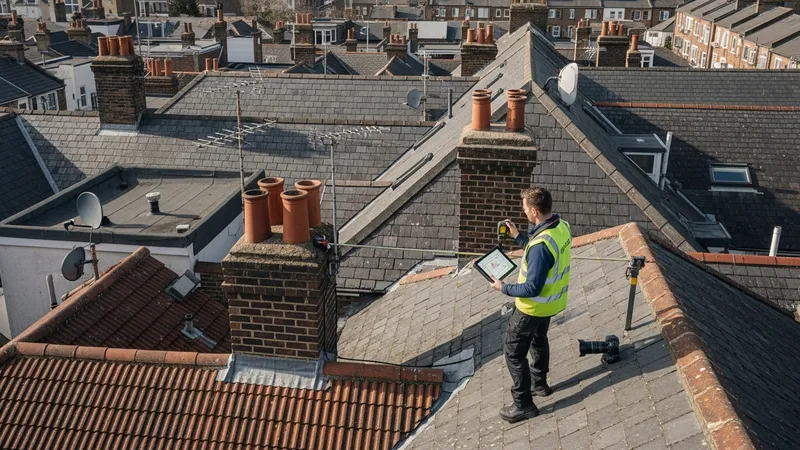
The planning stage frequently involves determining the optimal configuration for solar panels to capture the most sunlight. In the United Kingdom, south-facing roofs are often preferred, though east and west orientations may also yield satisfactory performance. Other technical considerations at this stage may include the available space for mounting inverters or integrating battery storage units.
Accurate energy consumption analysis is typically conducted during planning. Service providers may ask for past electricity usage records to align the system size with expected demand. Under-sizing or over-sizing can affect overall system efficiency and cost-effectiveness, making tailored planning important for both residential and commercial clients.
Regulatory compliance during planning is also important. Solar installations may require notification or approval from local building authorities, especially for systems involving structural changes or installations above a certain size. Many companies in the United Kingdom utilise the planning portal and guidance from official government sources to ensure adherence to requirements before installations begin.