
Smart Technology For Small Businesses: How Automation Tools May Improve Efficiency

Regulatory, privacy, and integration considerations for businesses in France
Data protection and regulatory compliance are central when automating processes in France. Automation that handles customer data must align with the GDPR framework and French data-protection expectations; this often means ensuring data access controls, lawful processing bases, and appropriate vendor agreements. French businesses frequently review vendor terms and data hosting locations, preferring services that document compliance in French. Public guidance from CNIL and resources from france-num.gouv.fr can inform privacy-related choices relevant to automation deployments.
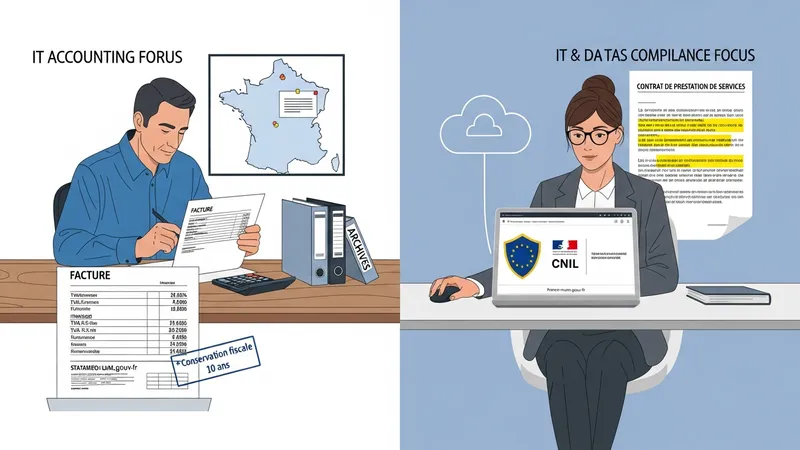
Integration with French tax and accounting practices requires attention to invoice content, VAT handling, and archival rules. Automated invoice generation should produce documents containing required legal mentions and maintain archives in line with fiscal retention requirements. Many accounting packages used in France offer export formats compatible with expert-comptable workflows, which can simplify annual reporting. Consulting an accountant early in the automation design process can reduce the risk of producing non-compliant outputs.
Interoperability is another consideration: ensuring that chosen tools can exchange data reliably with French banks, payment processors, and accounting systems reduces manual reconciliation. When prebuilt connectors exist for local services, integration risk is often lower; where custom integration is necessary, small businesses may work with local IT providers familiar with French payment and tax systems. Testing with representative transactions and maintaining logs of automated actions are practical measures to detect discrepancies early.
Finally, governance and role assignment matter: defining who supervises automated workflows, who can change rules, and how exceptions are handled reduces operational surprises. In the French small business context, assigning responsibility for reconciliation and legal compliance—often involving the business owner and an expert-comptable—supports consistent, auditable automation practices while preserving the ability to adapt workflows as business needs evolve.